Homework Routines

For some students, homework is an easy task and they are willing to complete their assignments on time and with great care. For other students, homework is a chore, not only for them, but for their parents as well. In third grade, the homework should take about 45 minutes. But it is 45 minutes of focused work. For some students, various distractions and work habits occasionally extend the homework time. The third grade teachers do not want homework to be a source of great stress for our families. If your child reaches 45 minutes and a point of frustration, parents are able to put an end to the homework- simply write the teacher a note indicating how much was attempted (i.e. Mrs. Dyer, we completed the front side of the math page, but only did the evens on the back). The child will receive full credit for the homework. Here are some other tips to help make the homework routine a little easier. 

  • Set up a specific place for your child to do homework consistently each day. 

  • Be sure the homework desk has all necessary materials (pencils, crayons, colored pencils, pens, glue, scissors, etc.) so that the child does not need to look for supplies around the house. 

  • Play some peaceful, instrumental music in the background if that works for your child (music can help muffle other sounds around the house like dogs, cooking, siblings, etc.) 

  • Set a timer for your child to see how much time they have left before a transition (i.e. going to soccer practice). 

  • Remove distractions such as games, toys, computers, etc. from the homework space. 

  • Set up parent restrictions on iPads, iPhones, etc. to limit the student's use to only homework-related resources (i.e. Raz-Kids, Reflex Math, Khan Academy, etc.) 

  • Have your child check in with you every 20 minutes or so to show you what they have completed (a timer can help with this). 

  • Keep all binders, books, and backpacks in the same place everyday so that morning routines are quick allowing the family to get out the door quickly before school. 

  • Break up homework routines with quick body/movement breaks (i.e. work for 20 minutes, then do 20 jumping jacks to get some wiggles out, then return to work). 

  • Start with the hardest assignments first, then finish with the easiest assignments. 

  • Front load some of the work earlier in the week (i.e. if the child has a 2 hour swim practice on Thursday afternoon, do some of the extra reading on Wednesday night instead). 
 

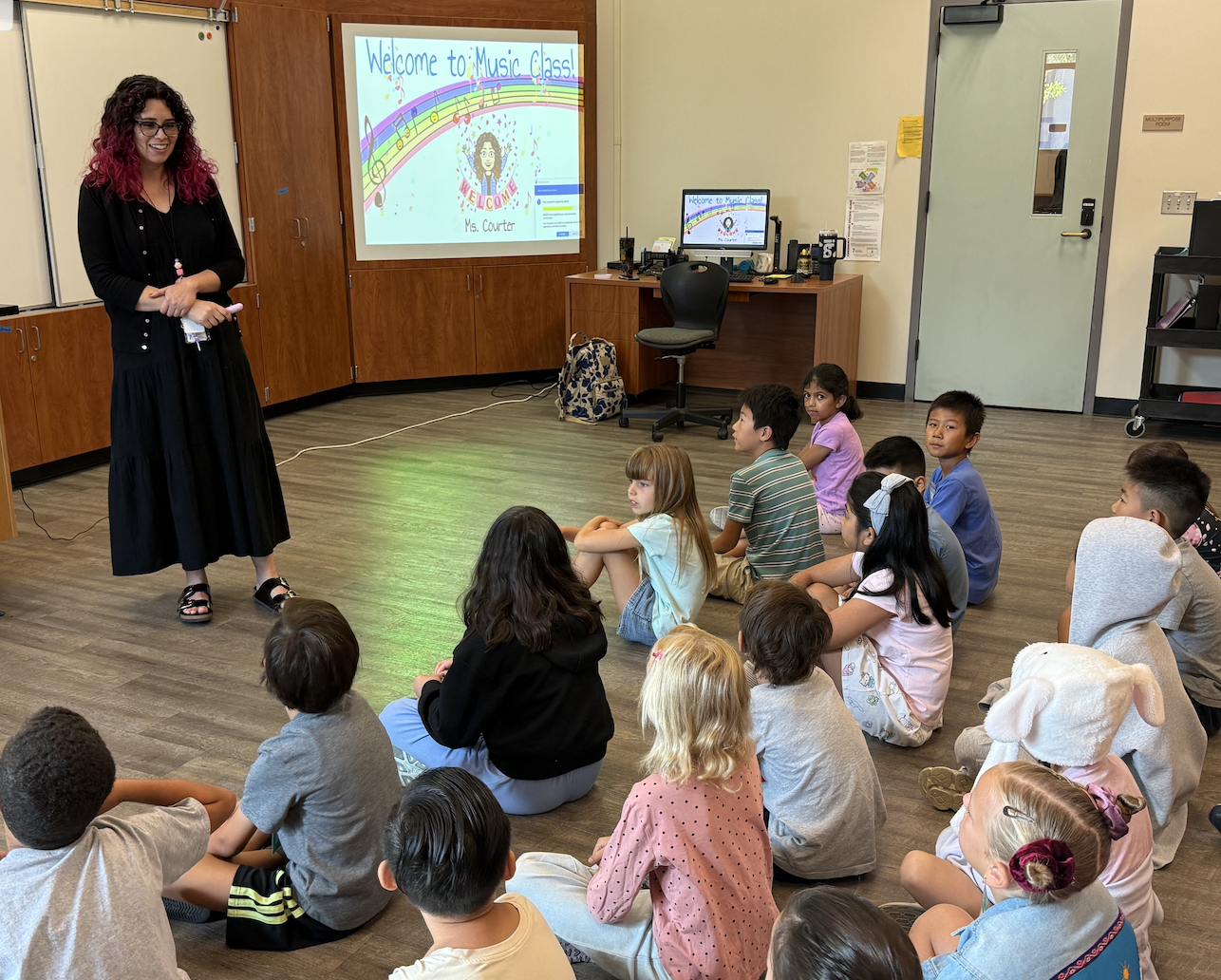
Music Class

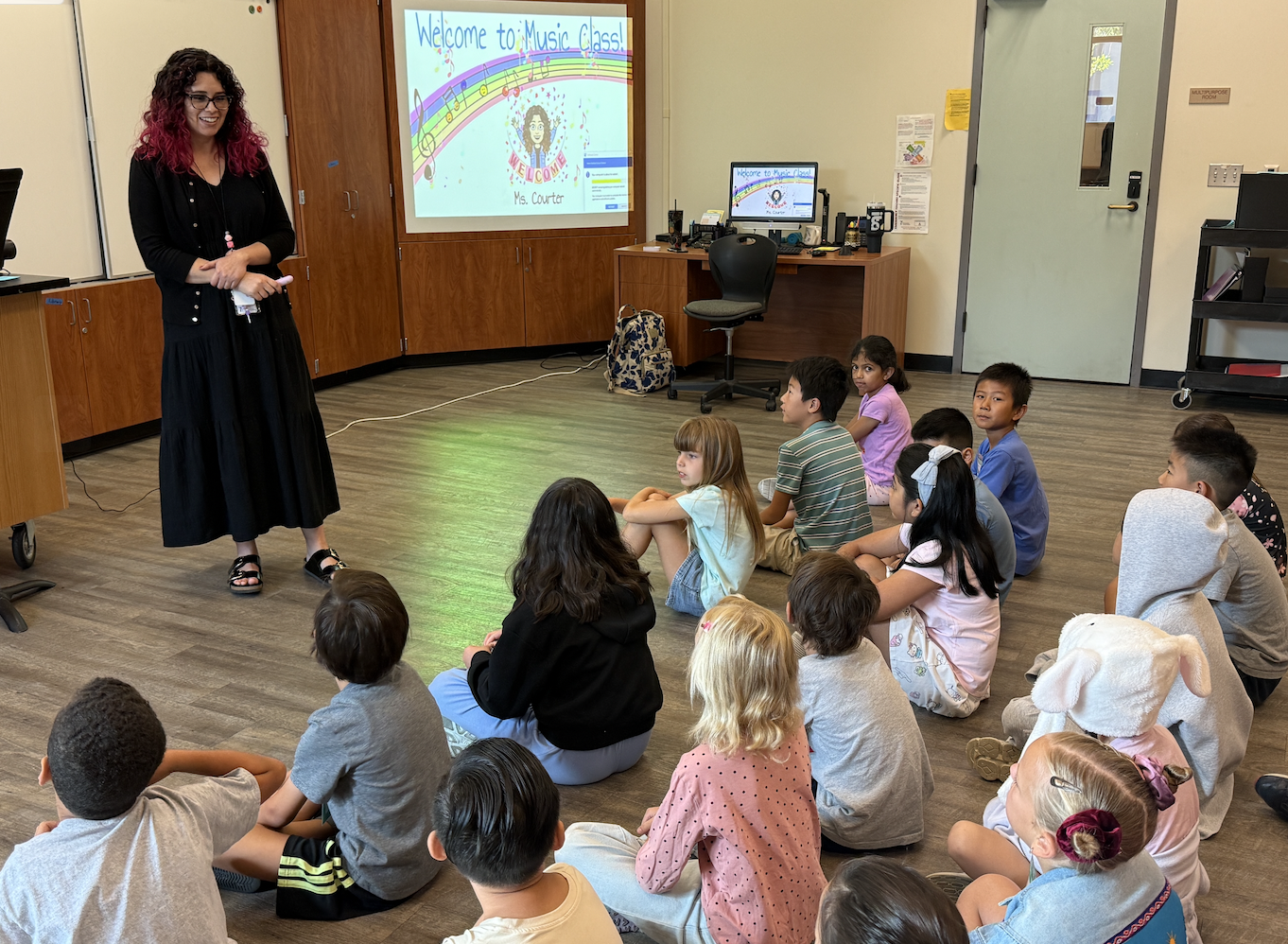
Our primary music teacher is Ms. Courter. She is a talented music educator with a beautiful singing voice and it is easy to see she enjoys her job. The kids loved learning the new songs. This year, students are so lucky because they get to now have music occurs EVERY week in comparison to previous years that was every other week. Room 14 will have music on Monday mornings.

First Week of School

This week has been such a whirlwind! I have already fallen in love with my new students, and I am just in awe of how polite and well-mannered they are. The students consistently use polite words such as "please" and "thank you." They are helpful, thoughtful, and respectful. Room 14's parents should be proud.

This website is designed to give parents a "window into the classroom." My hope is that it helps solve the dilemma that many parents face when they ask their child, "So what did you do in school today?" And the child's only response is a lackluster, "I don't know" or "Nothing." I will post many updates and pictures of what the children are specifically learning in class so that parents are aware of what occurs in the classroom.

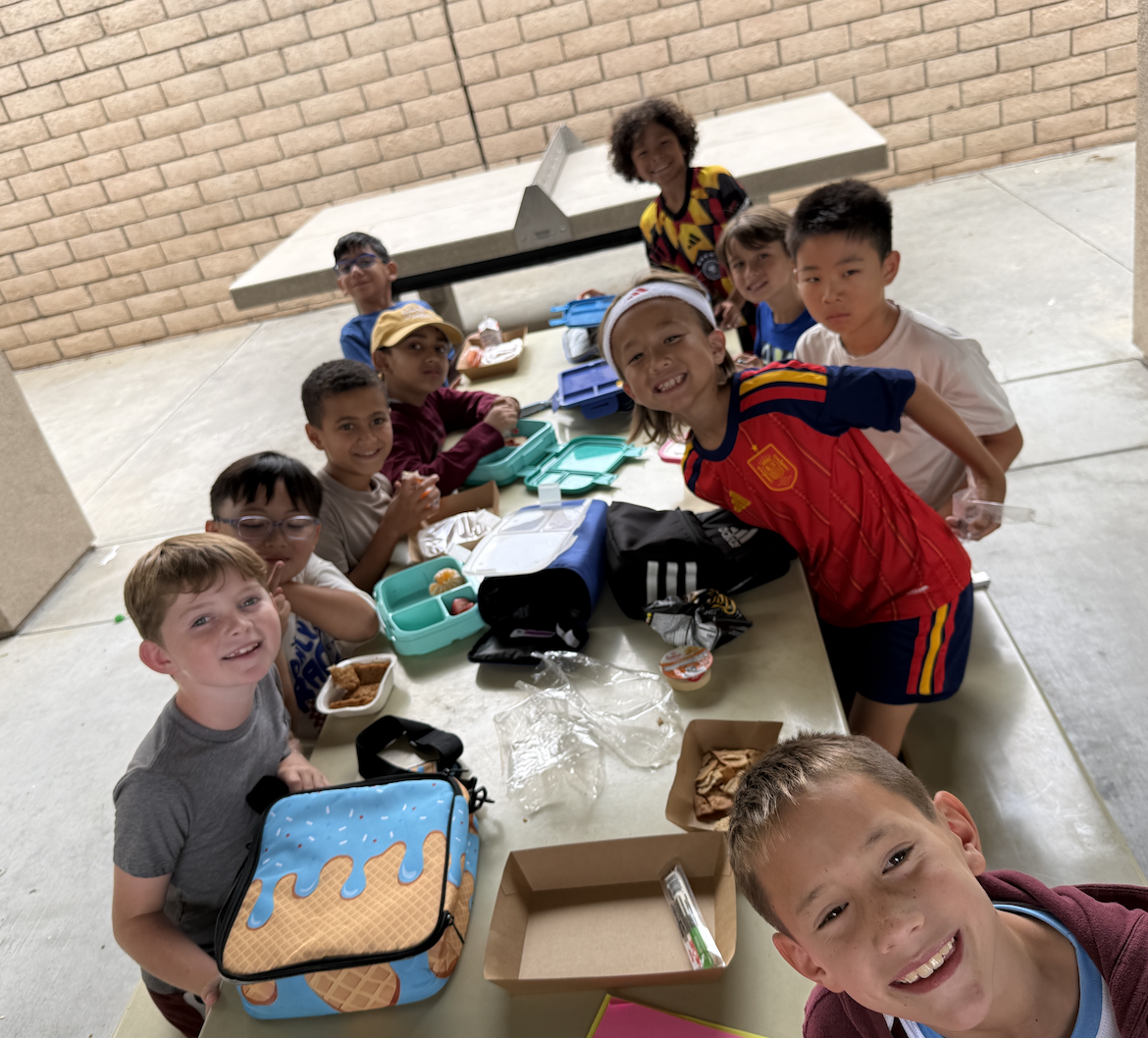
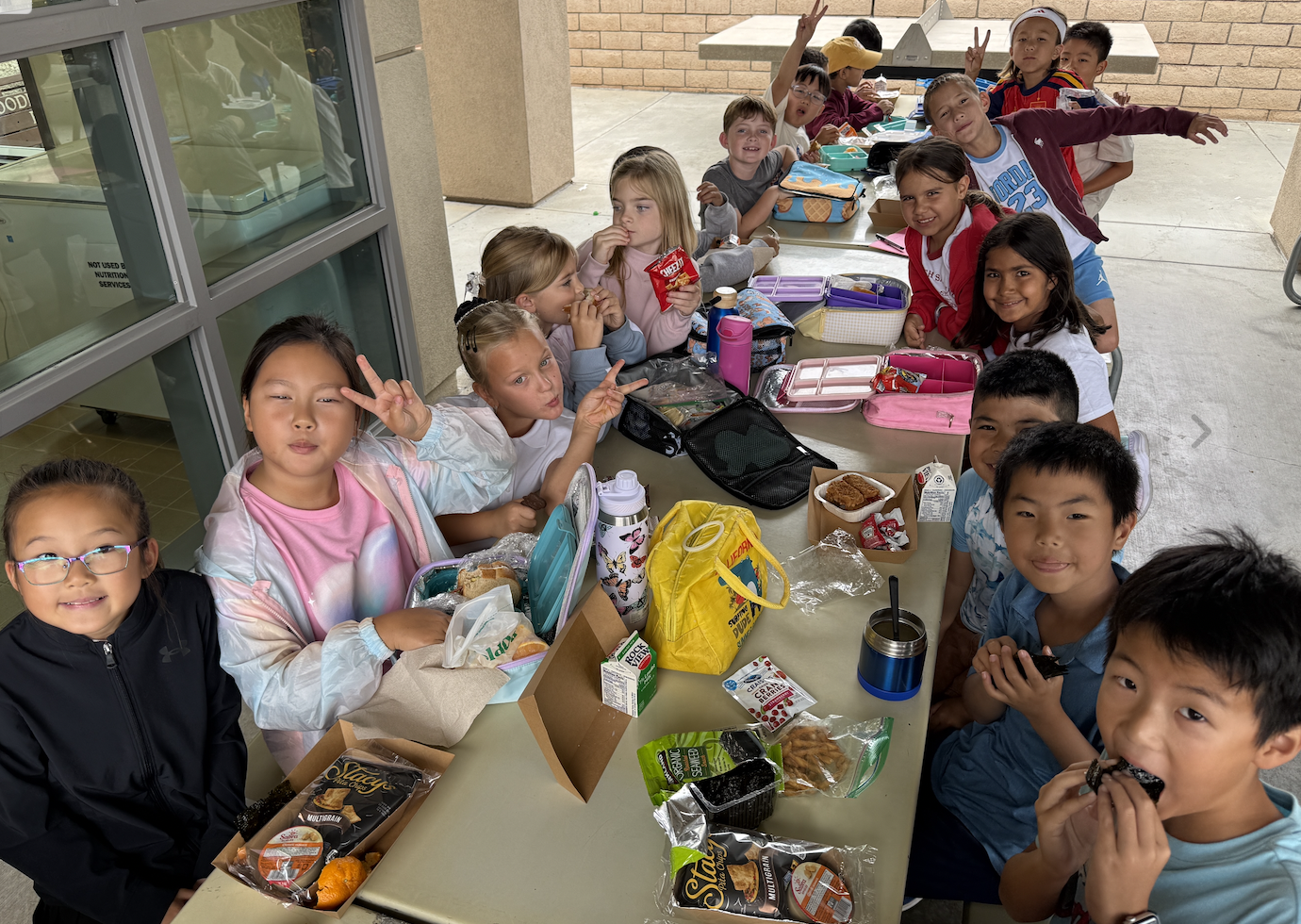
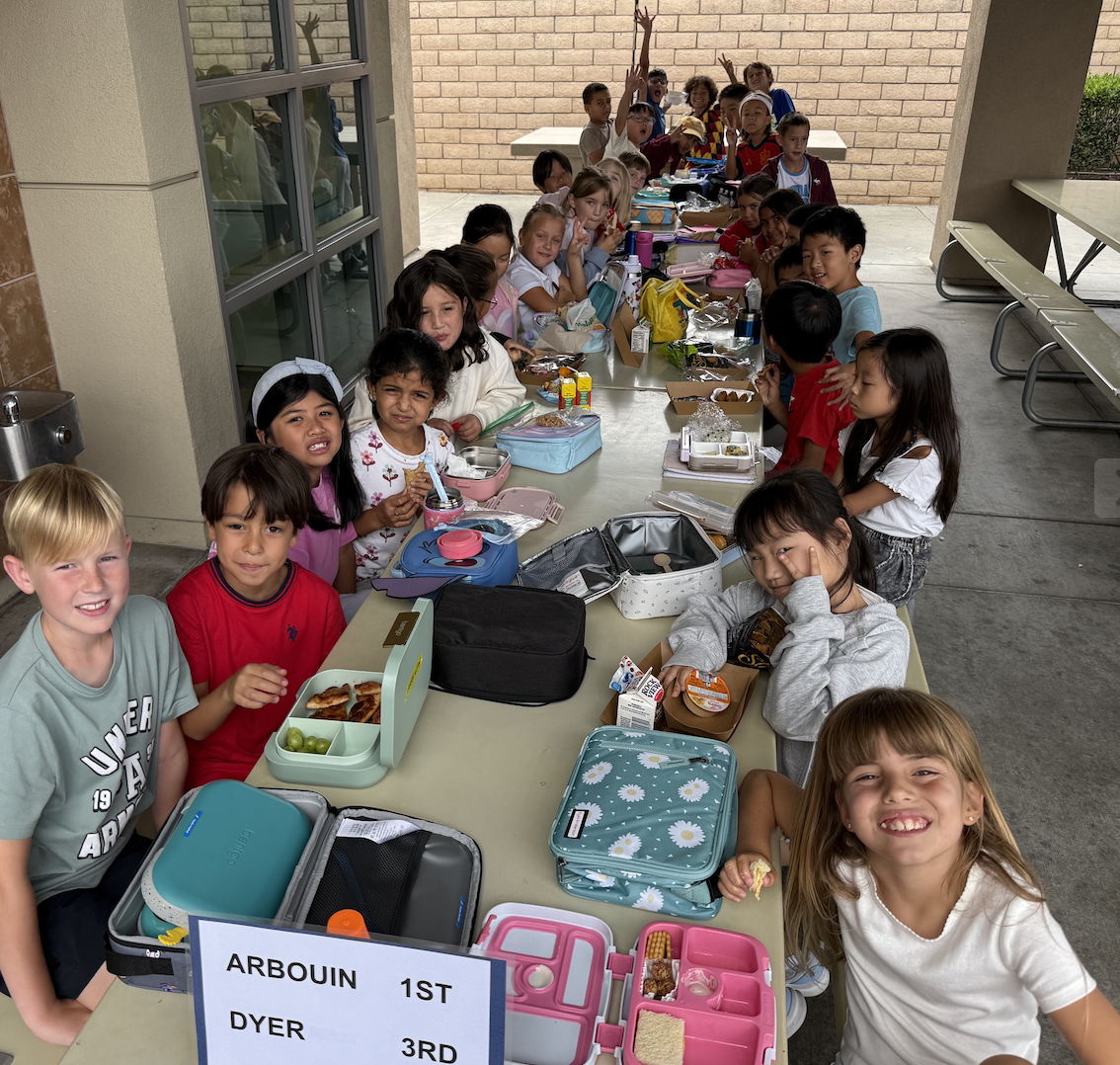
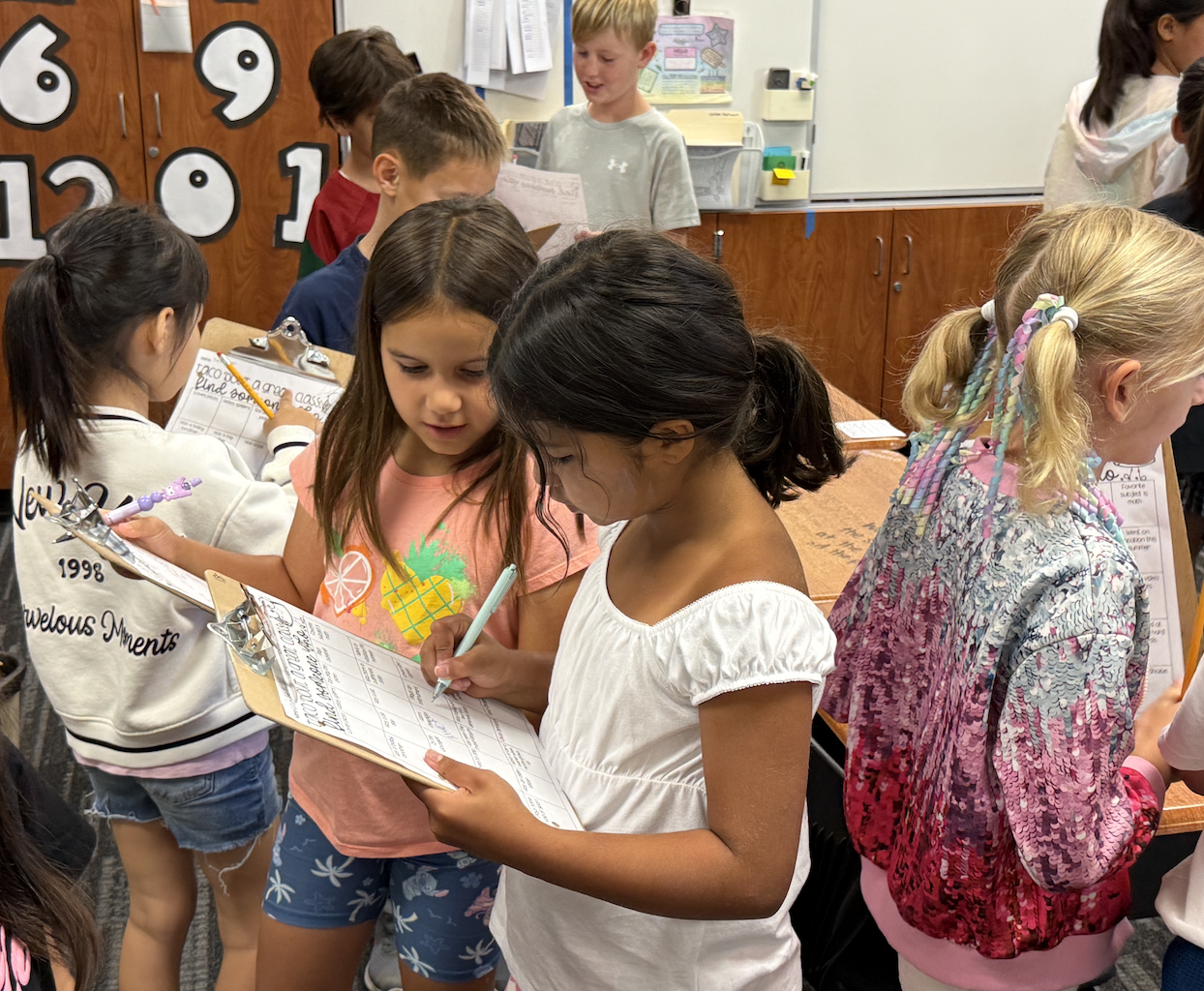
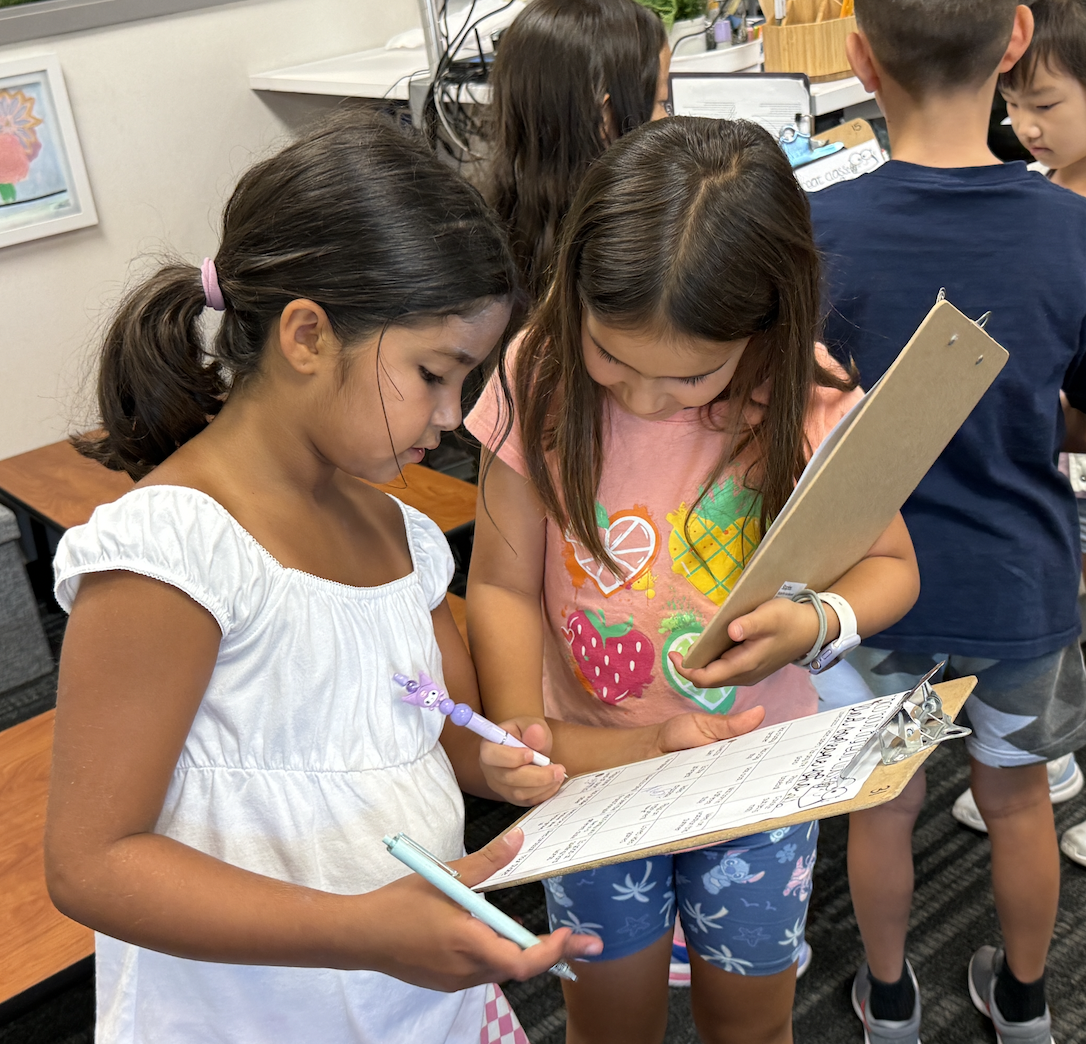
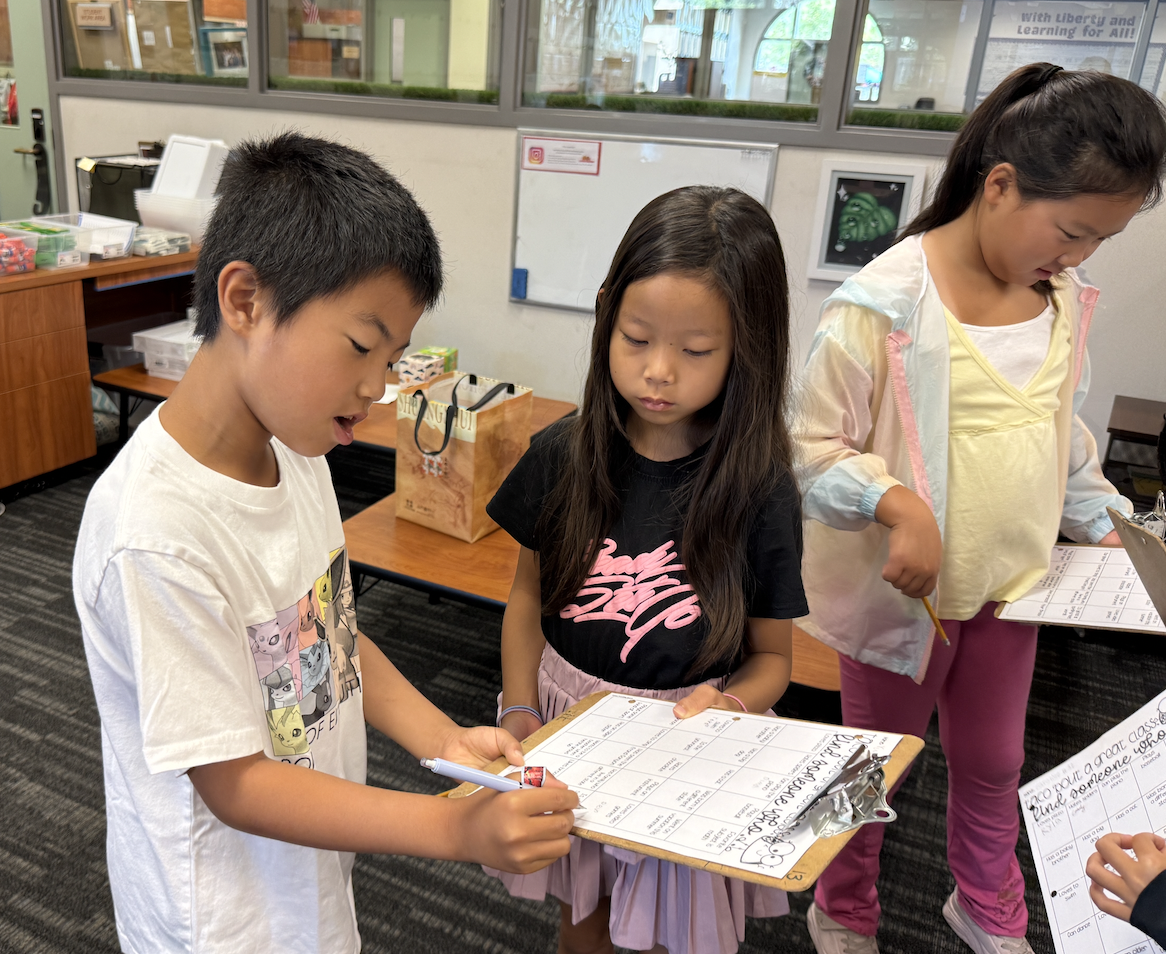
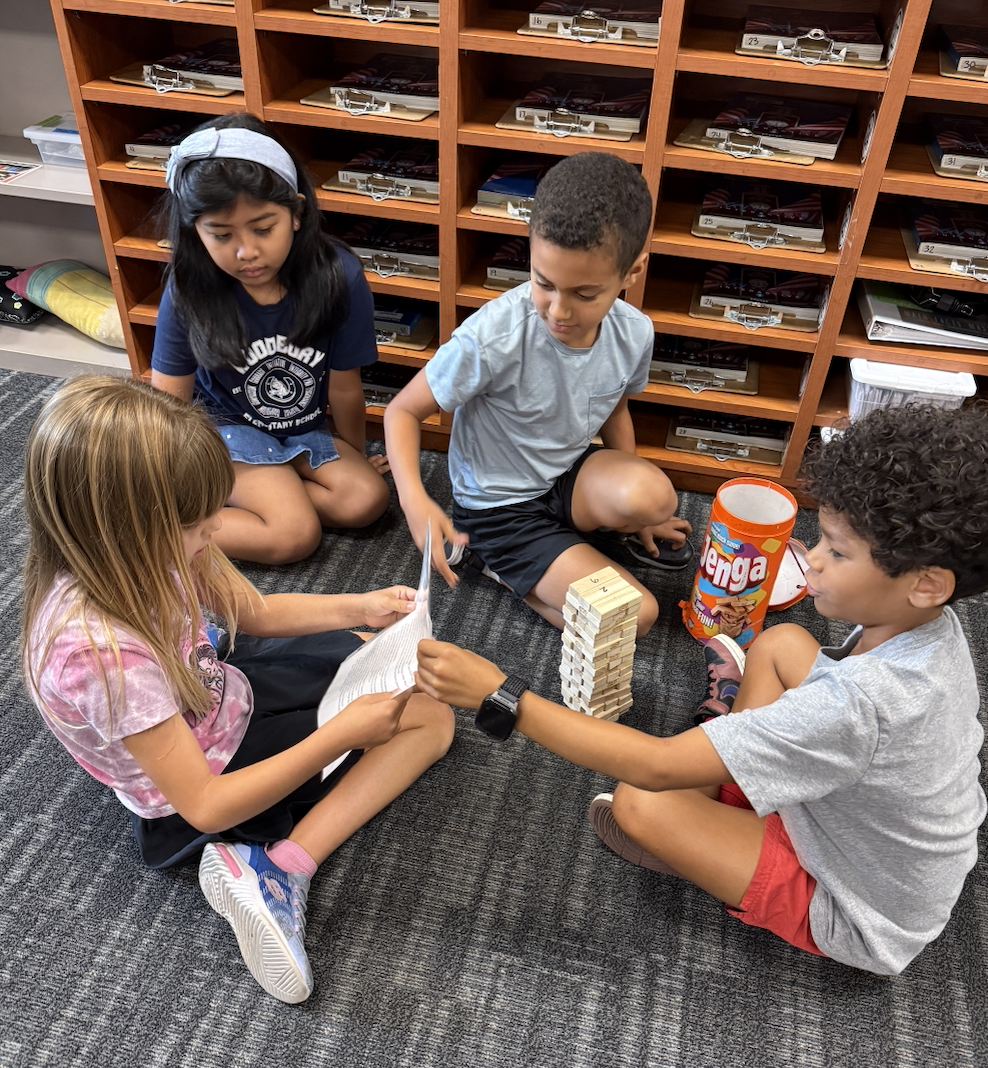
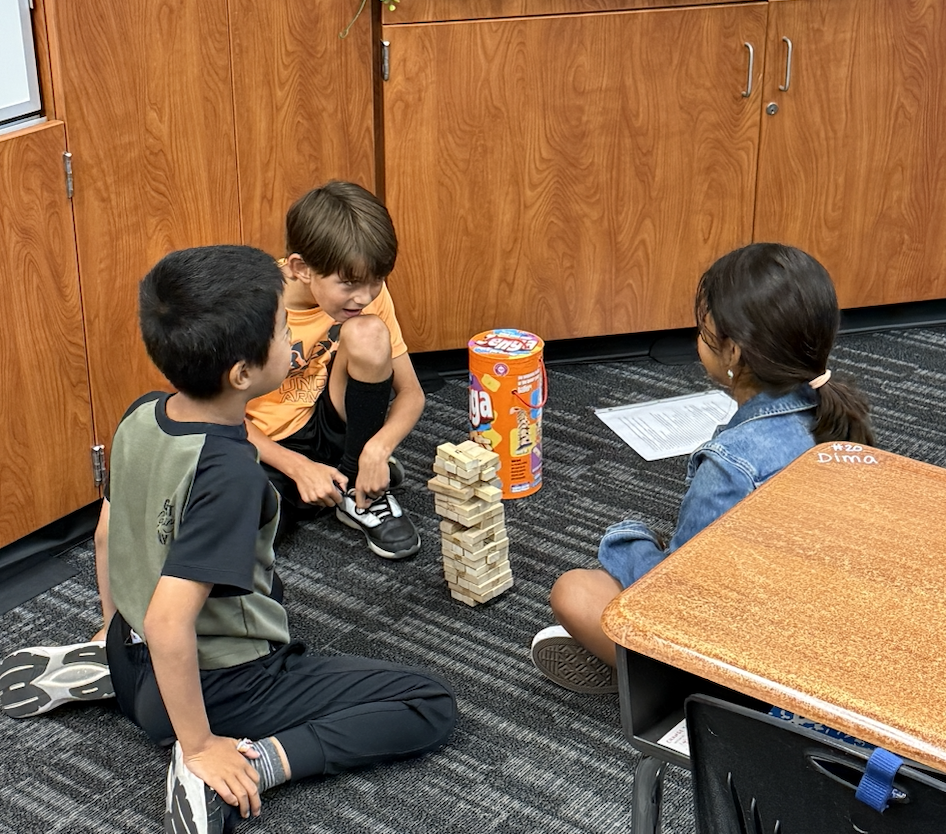
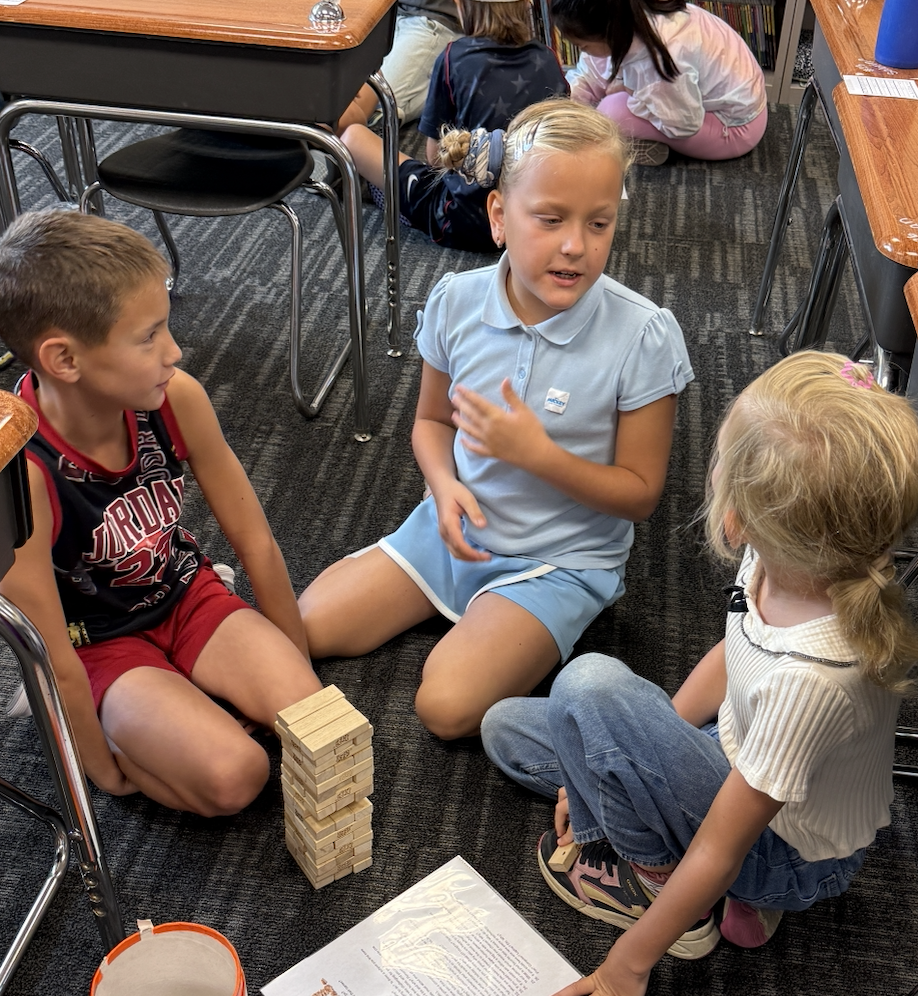
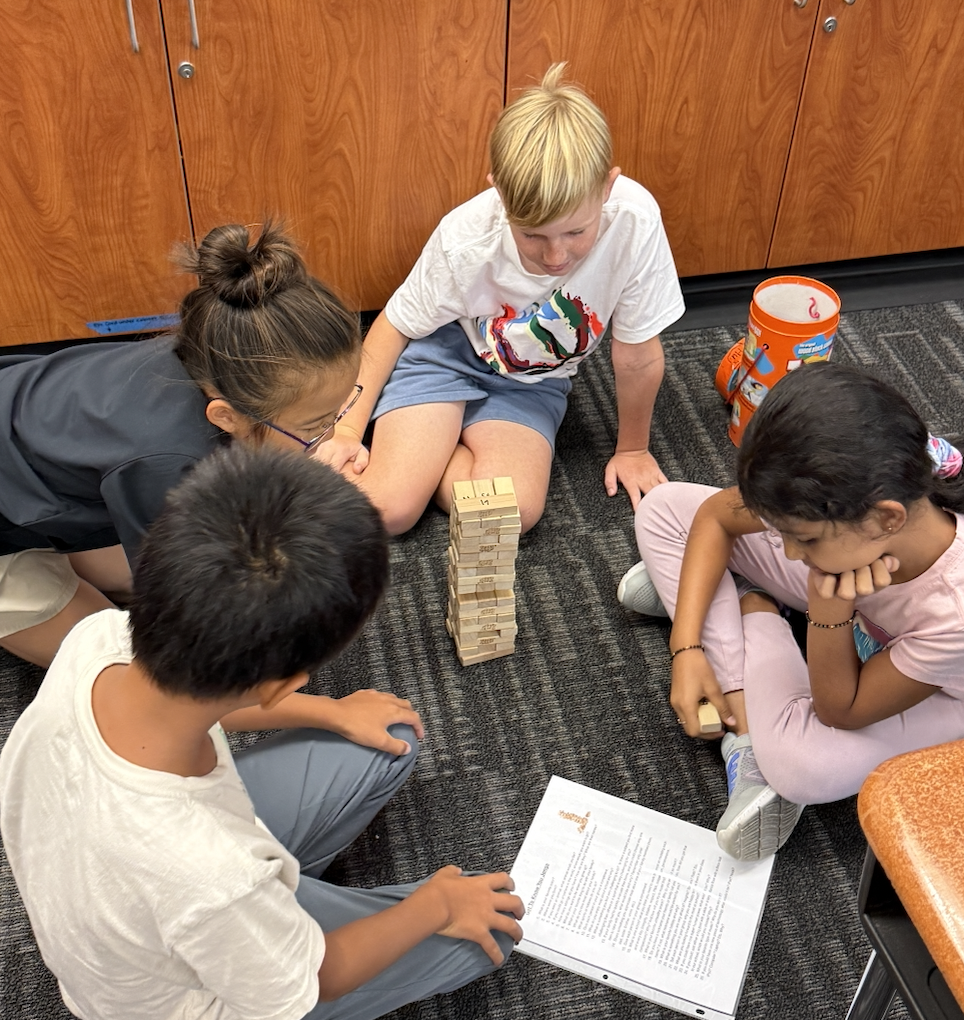
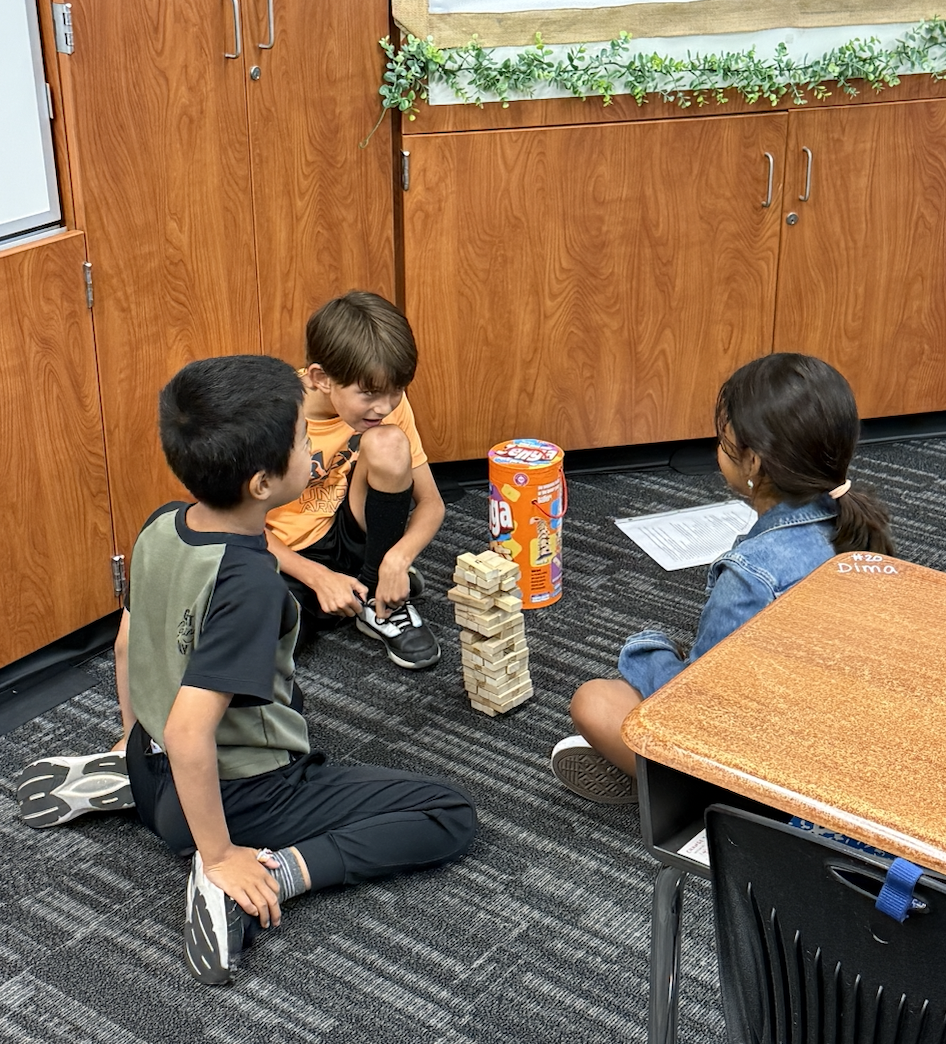
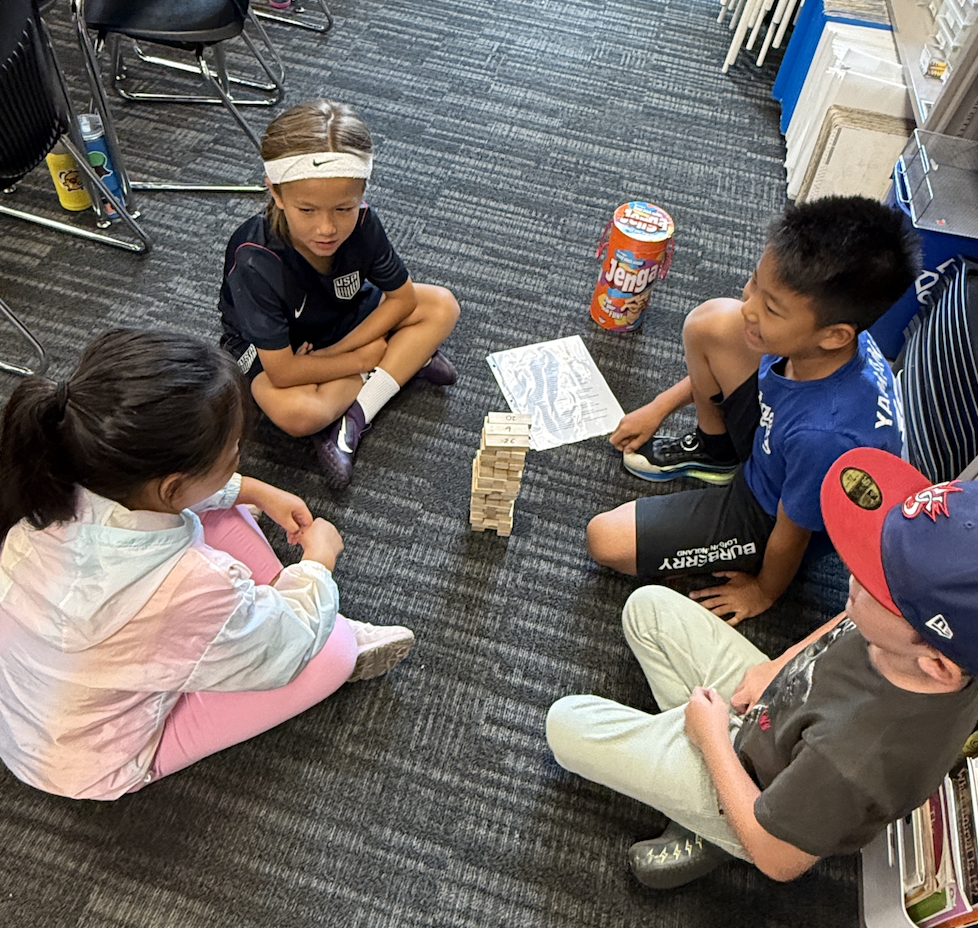
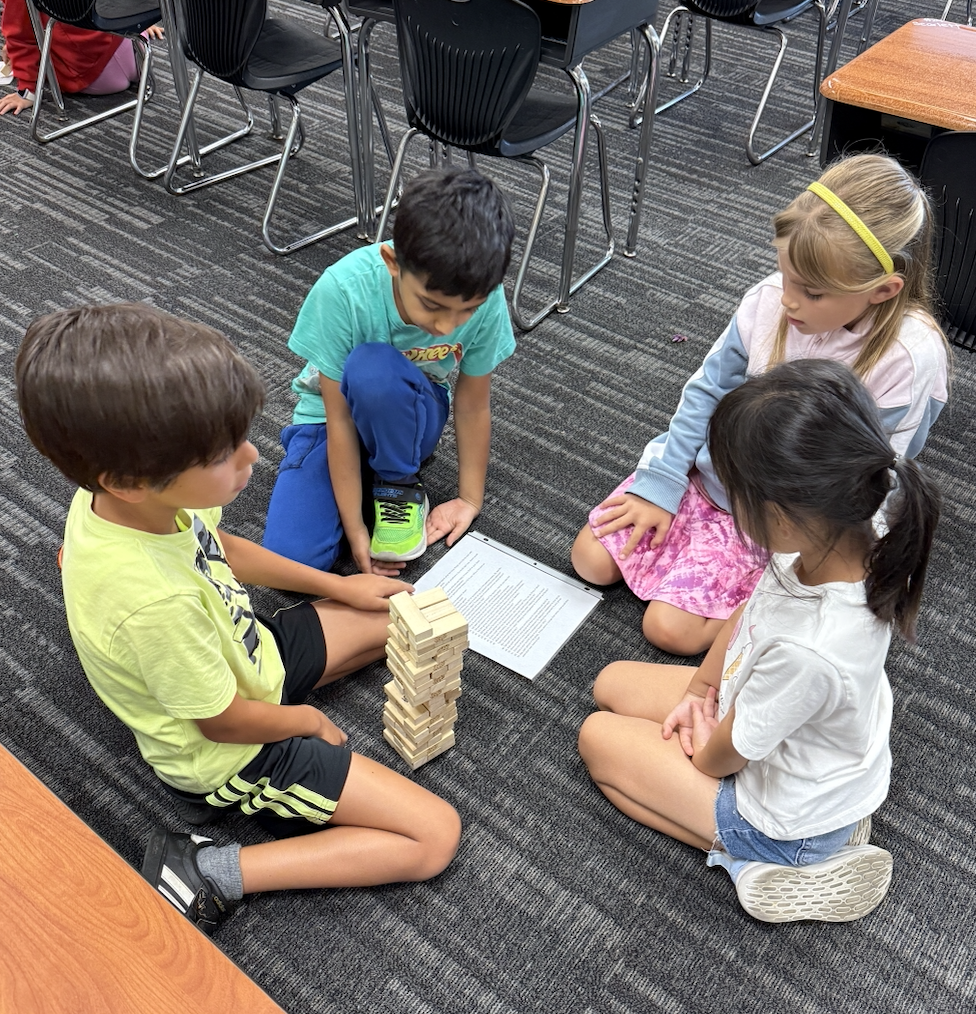
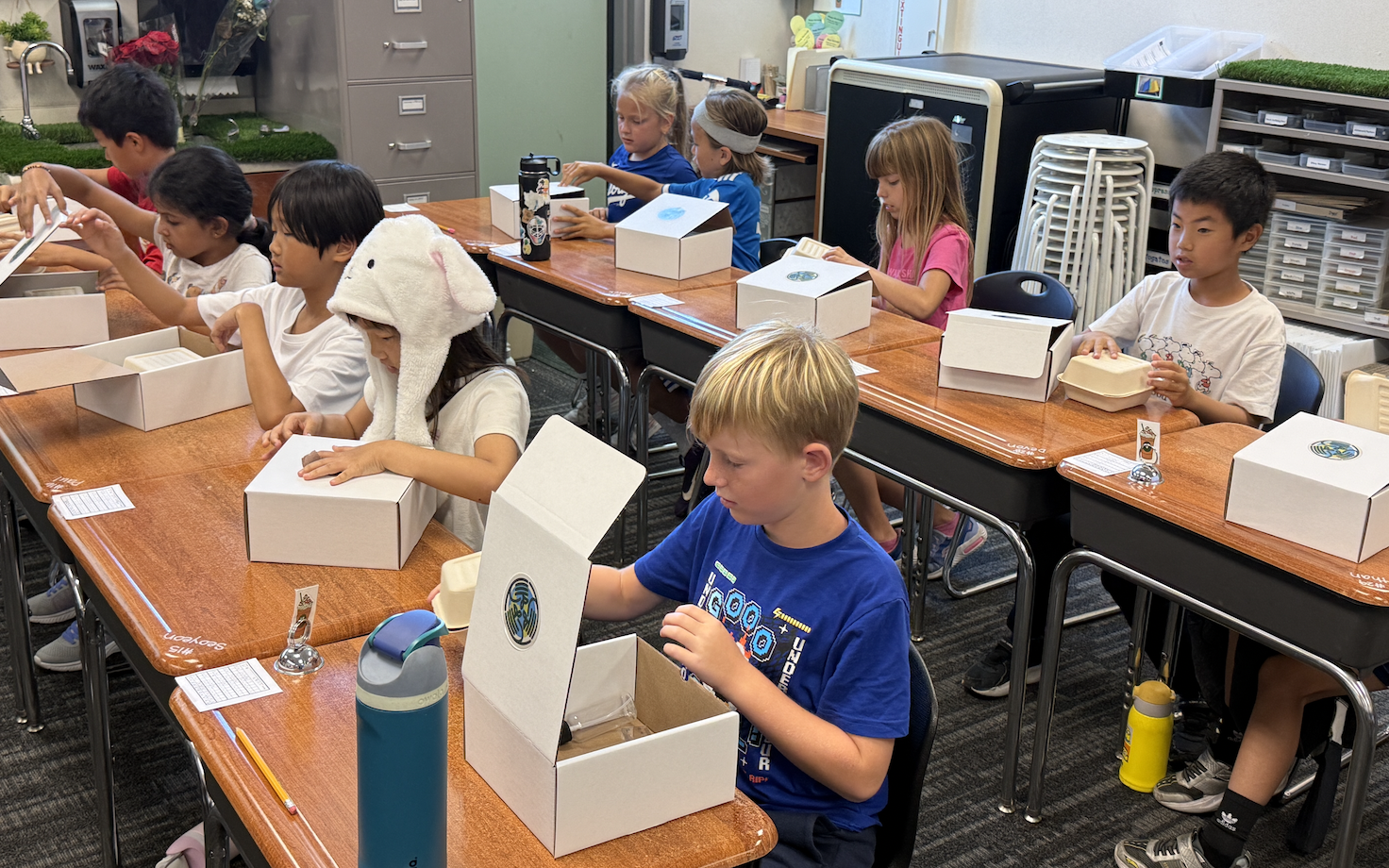
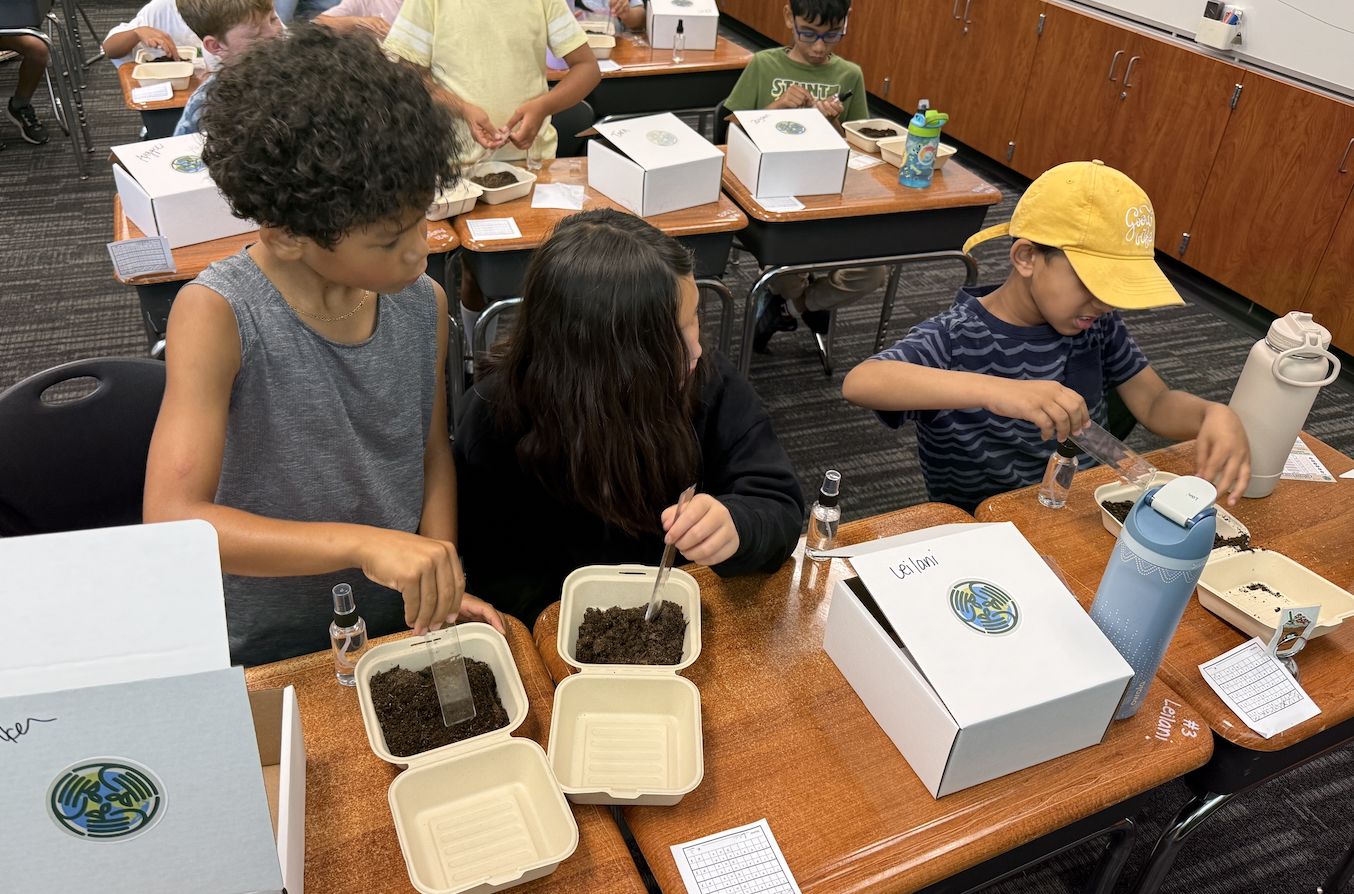
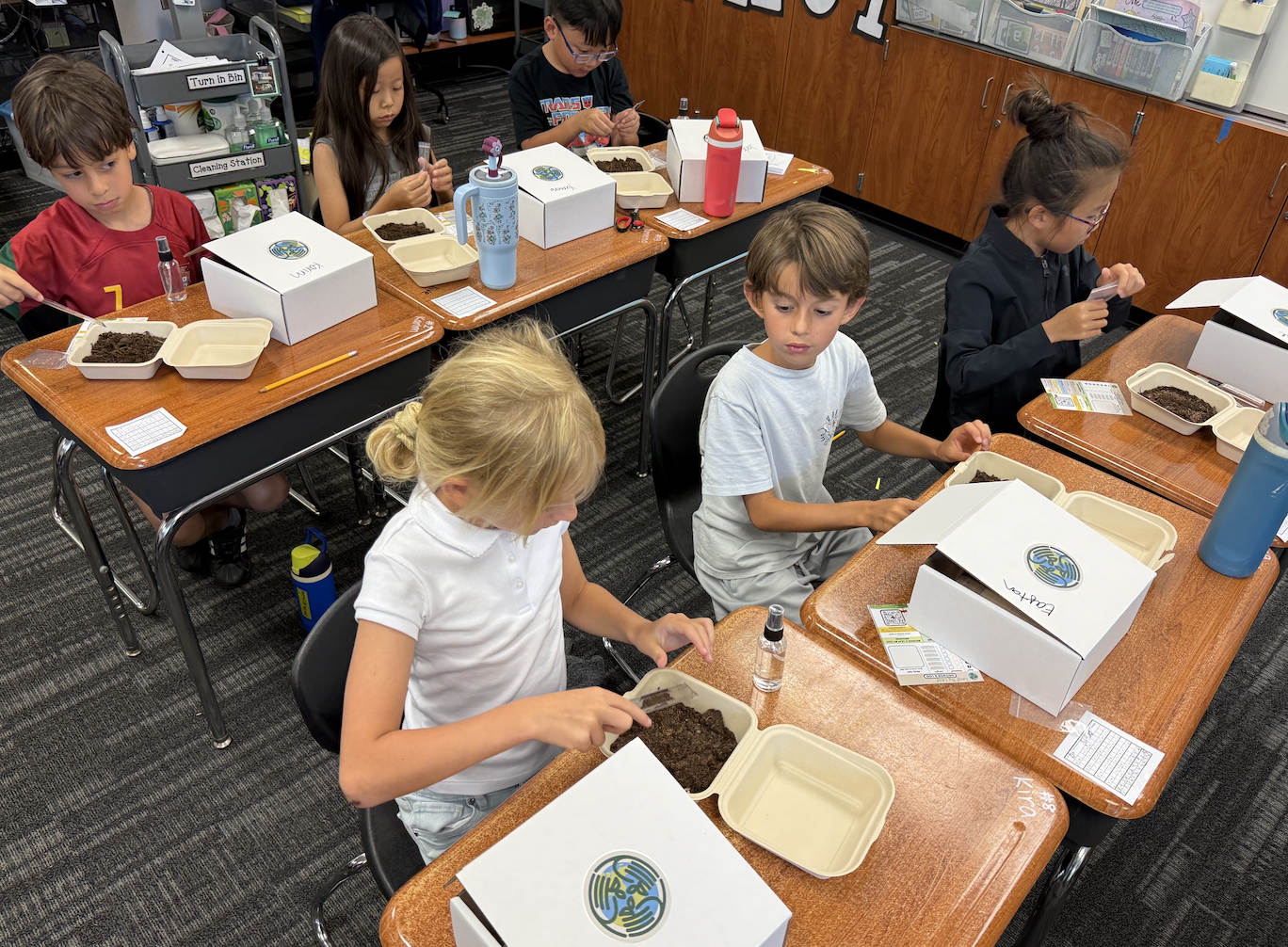
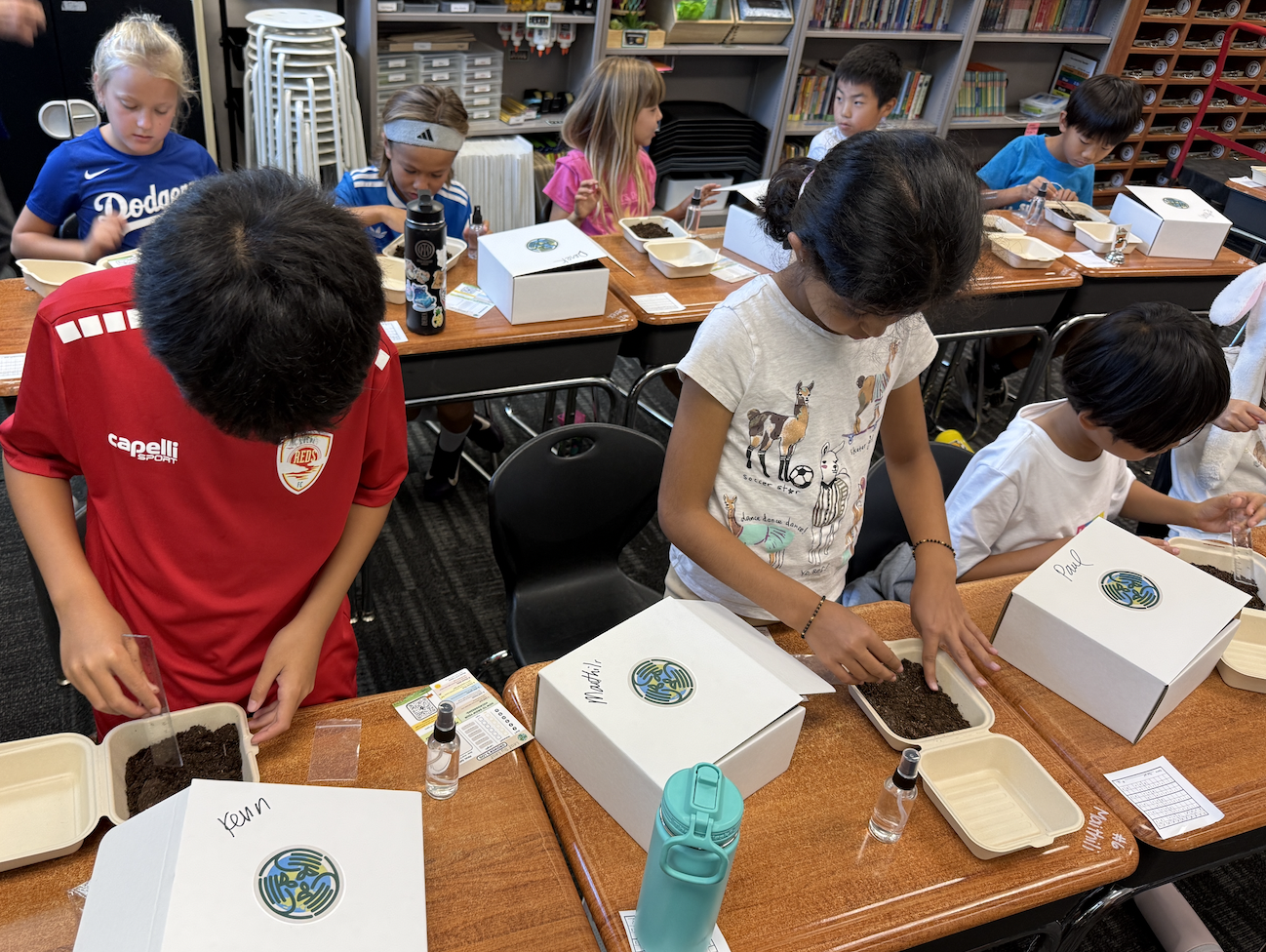
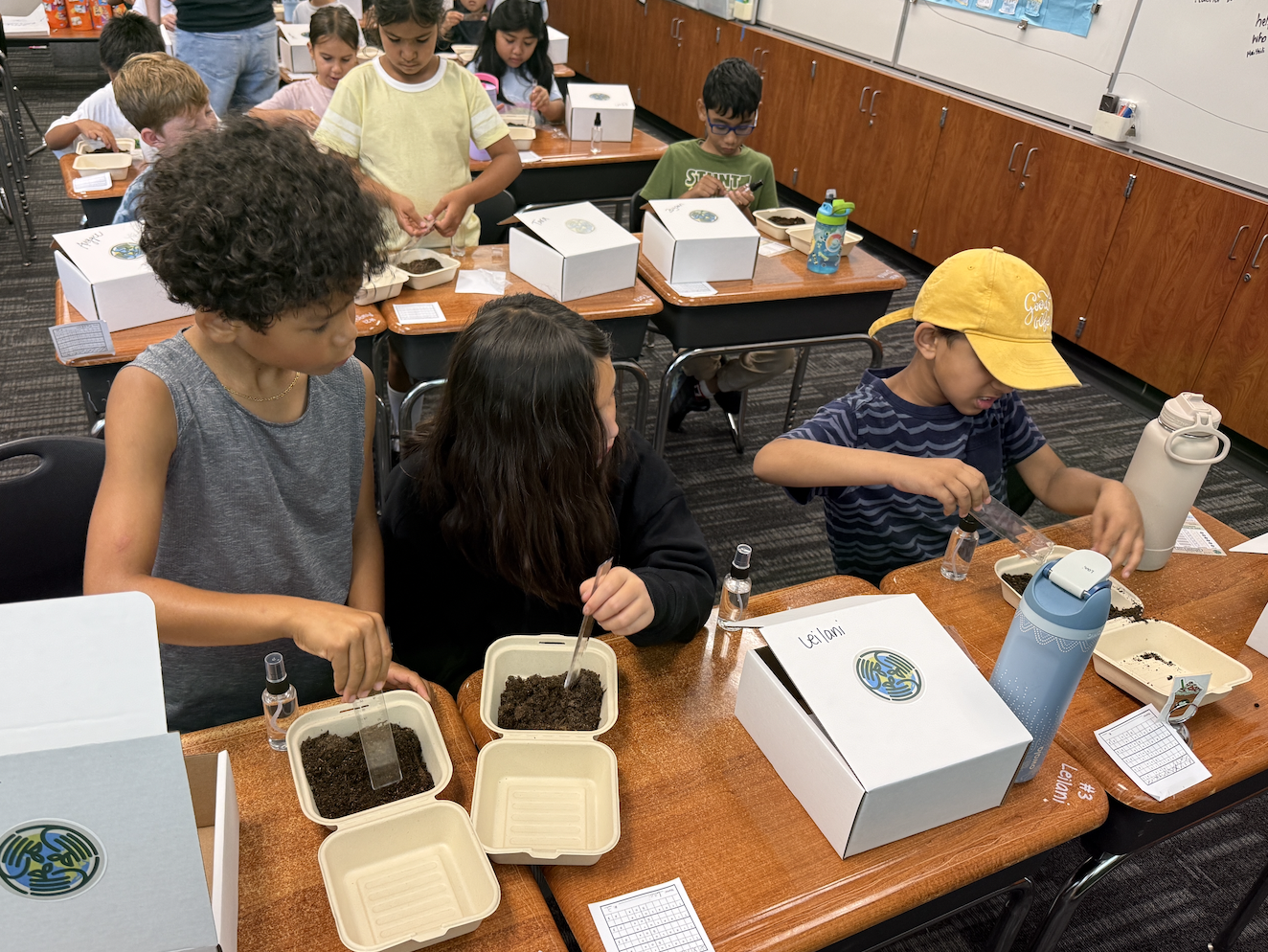
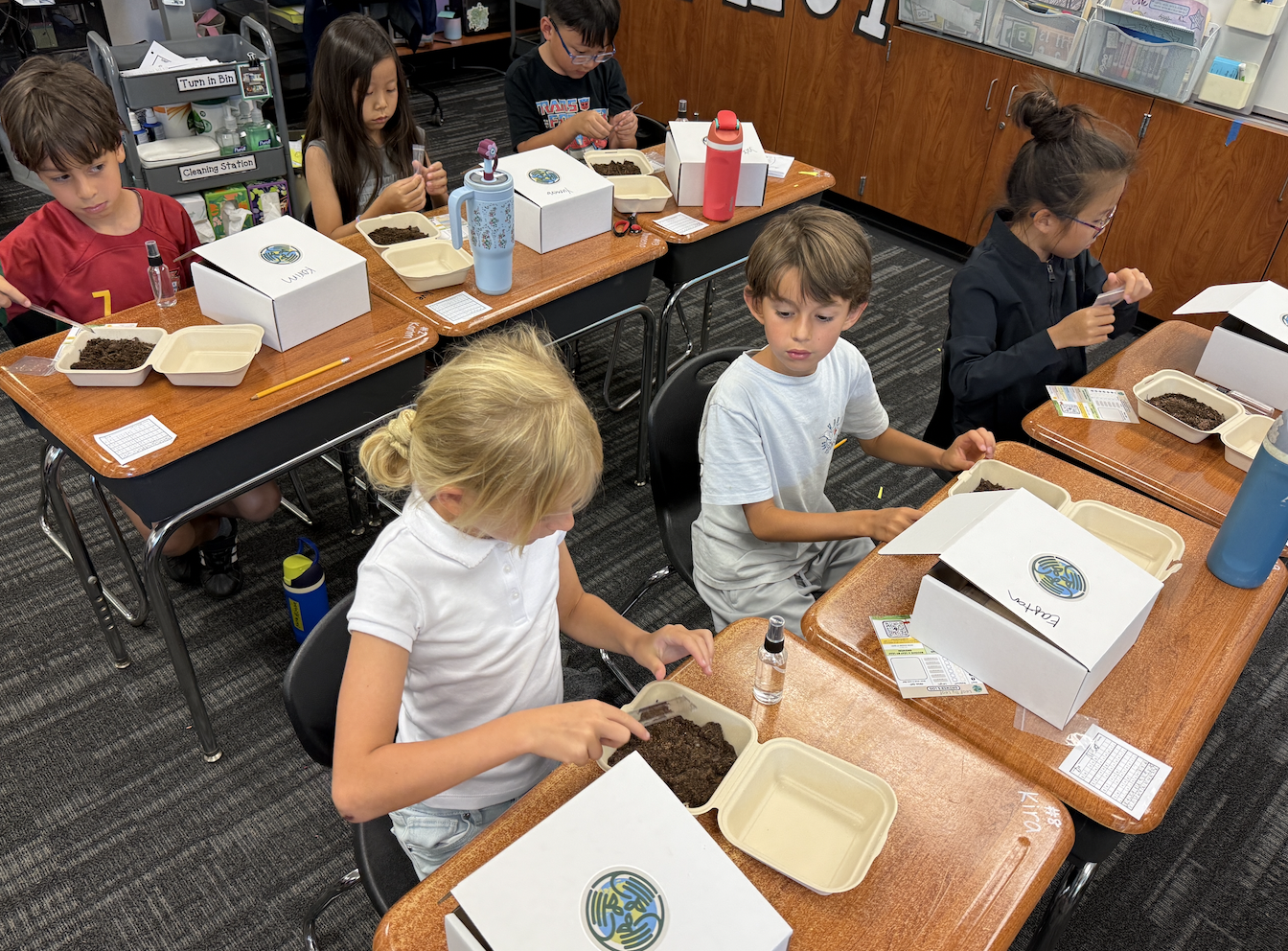
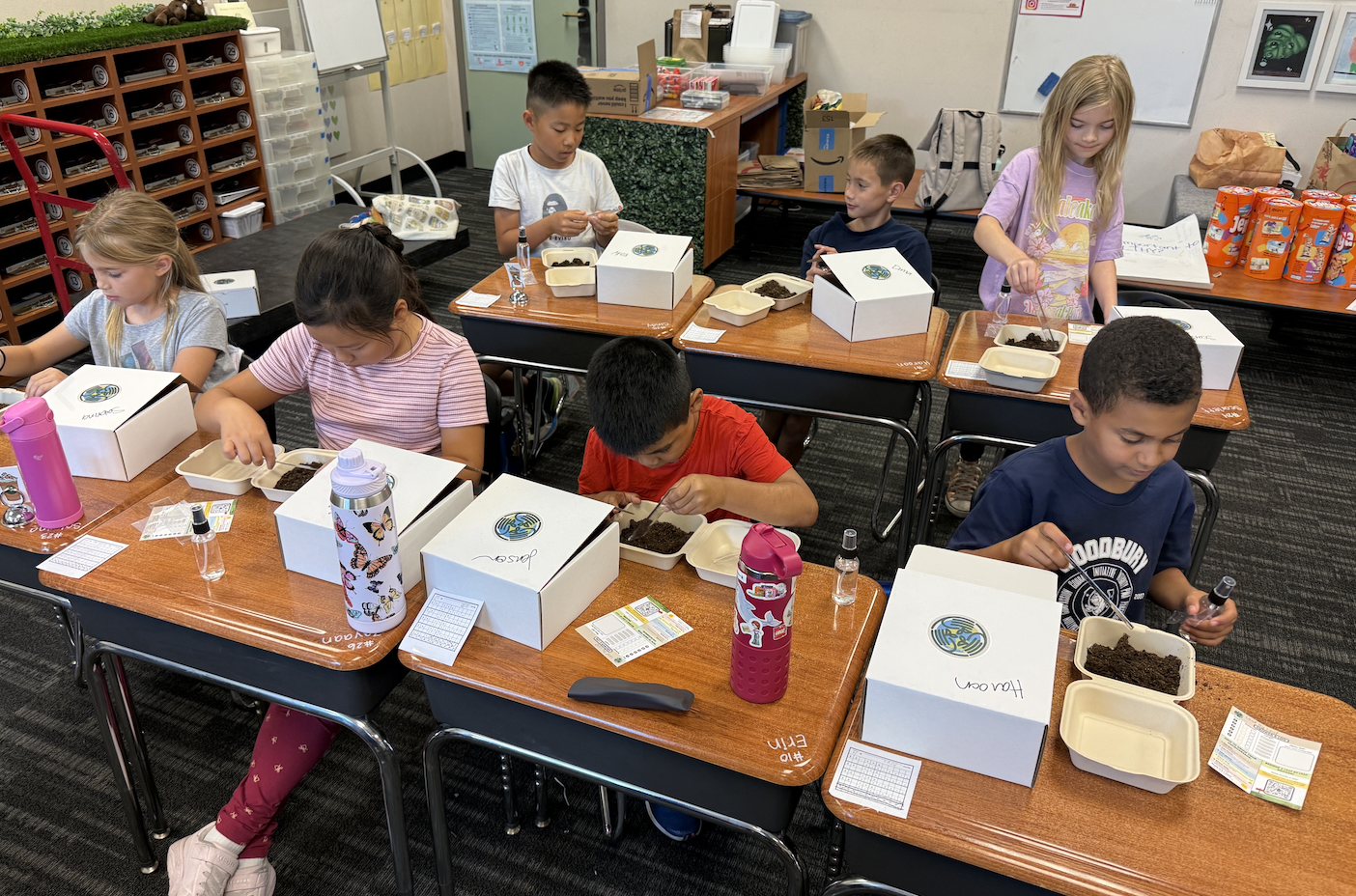
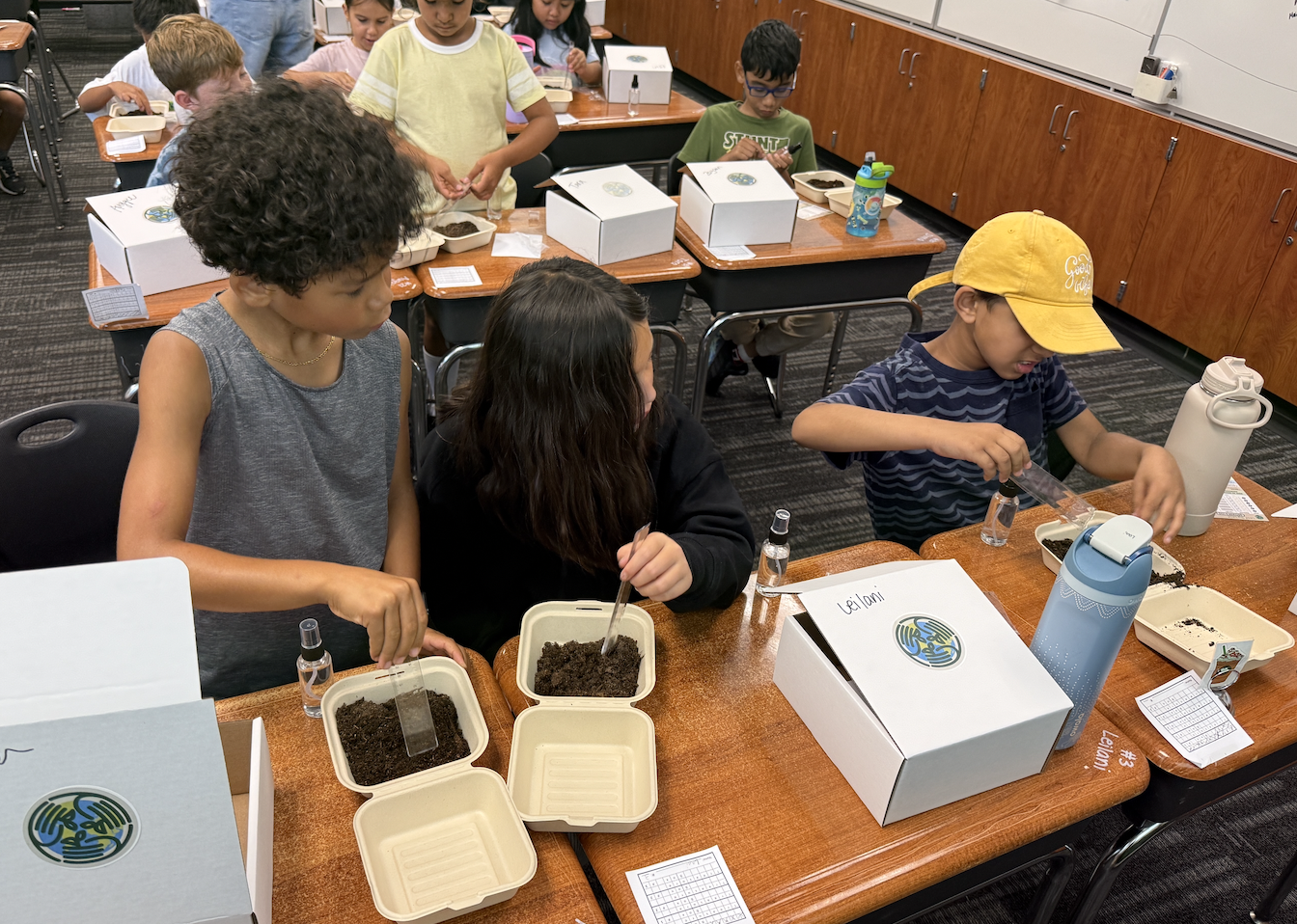
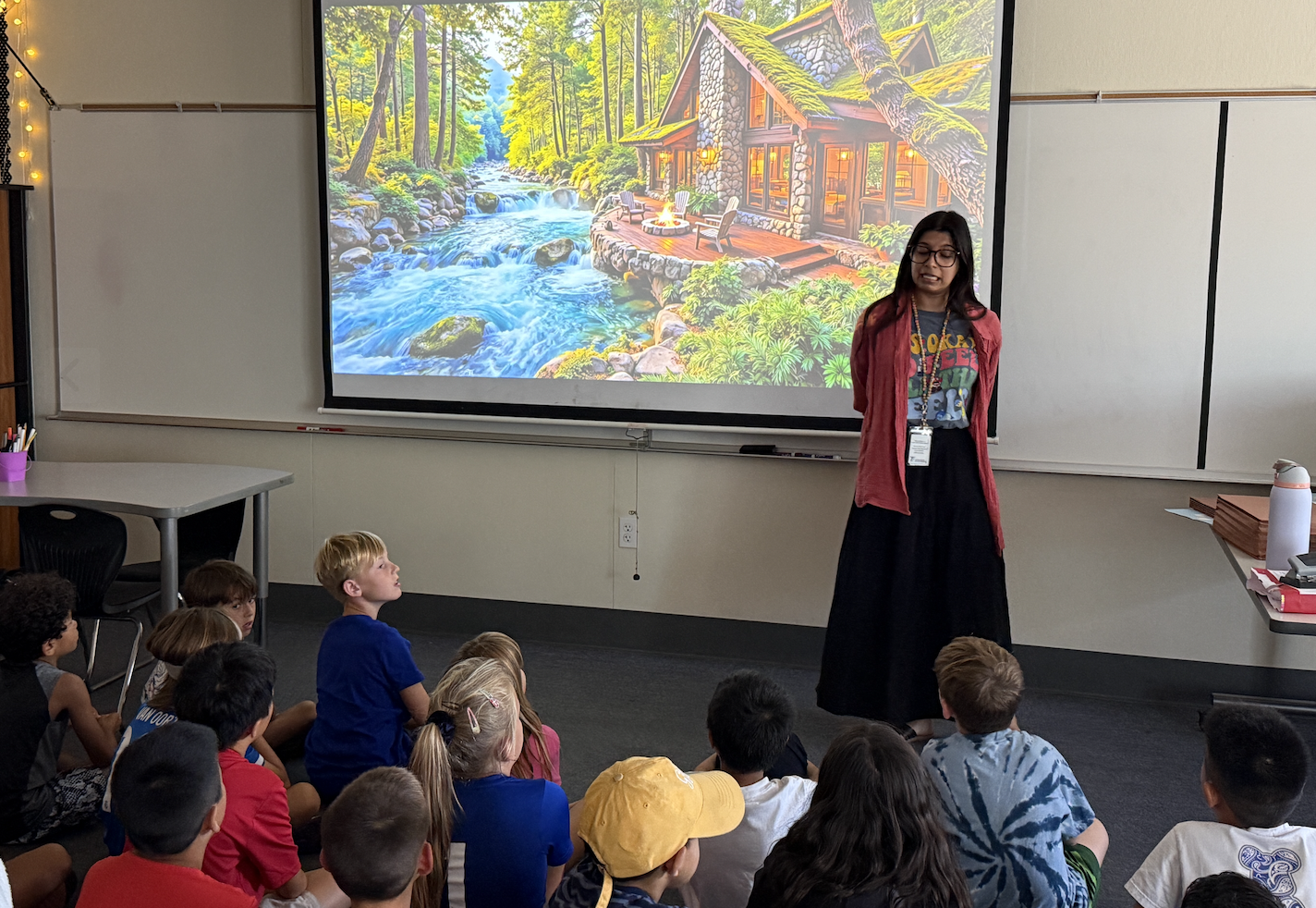
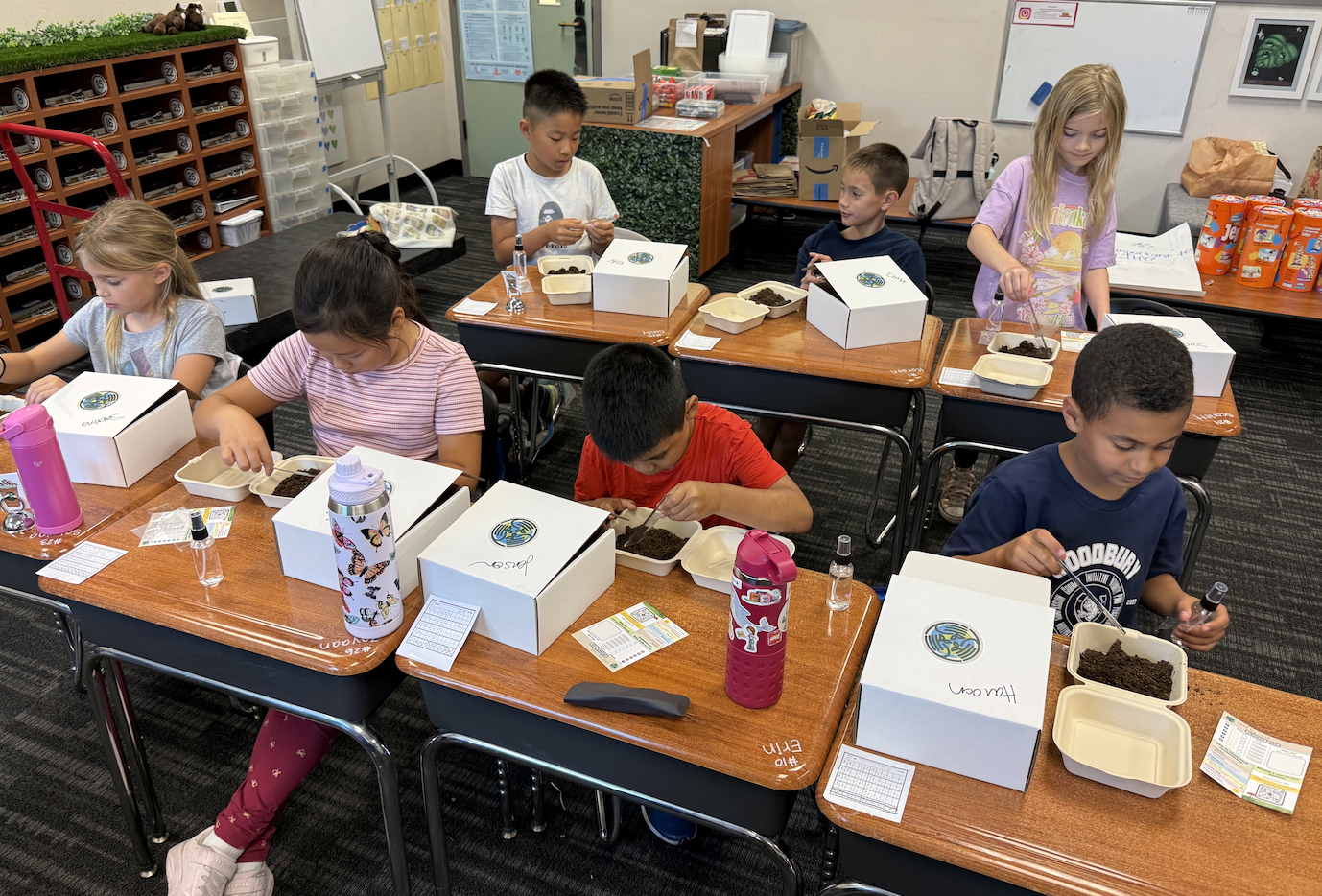
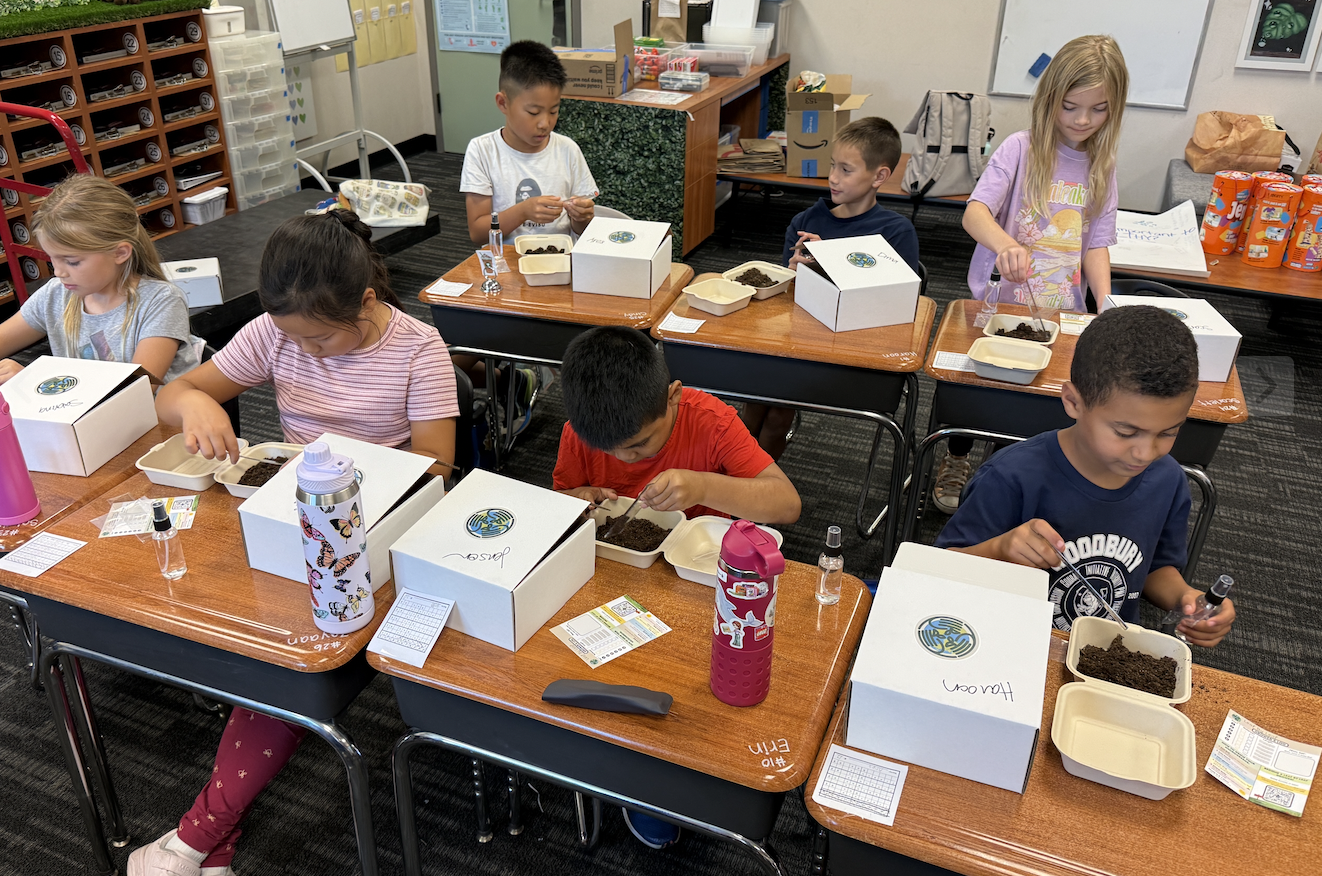
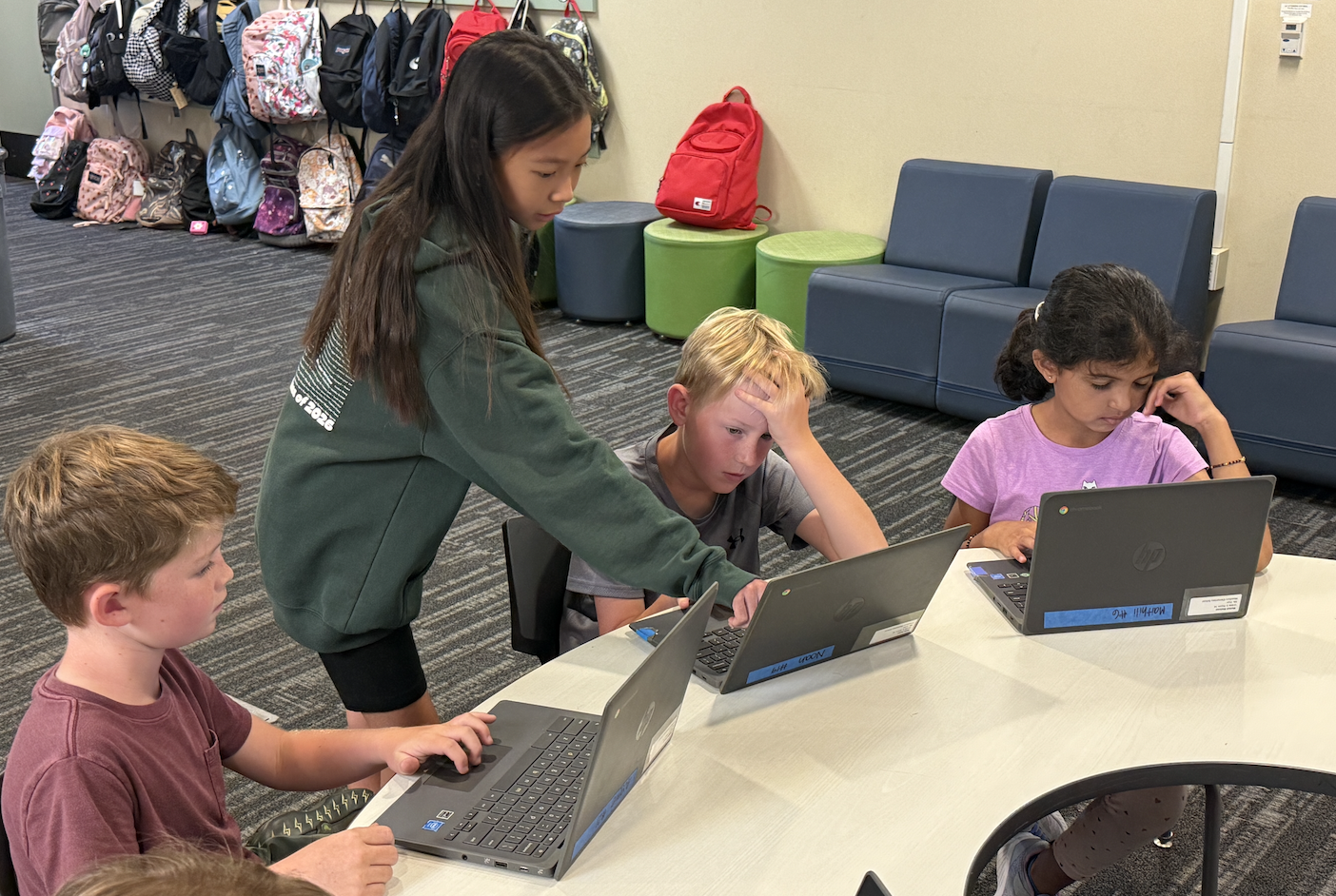
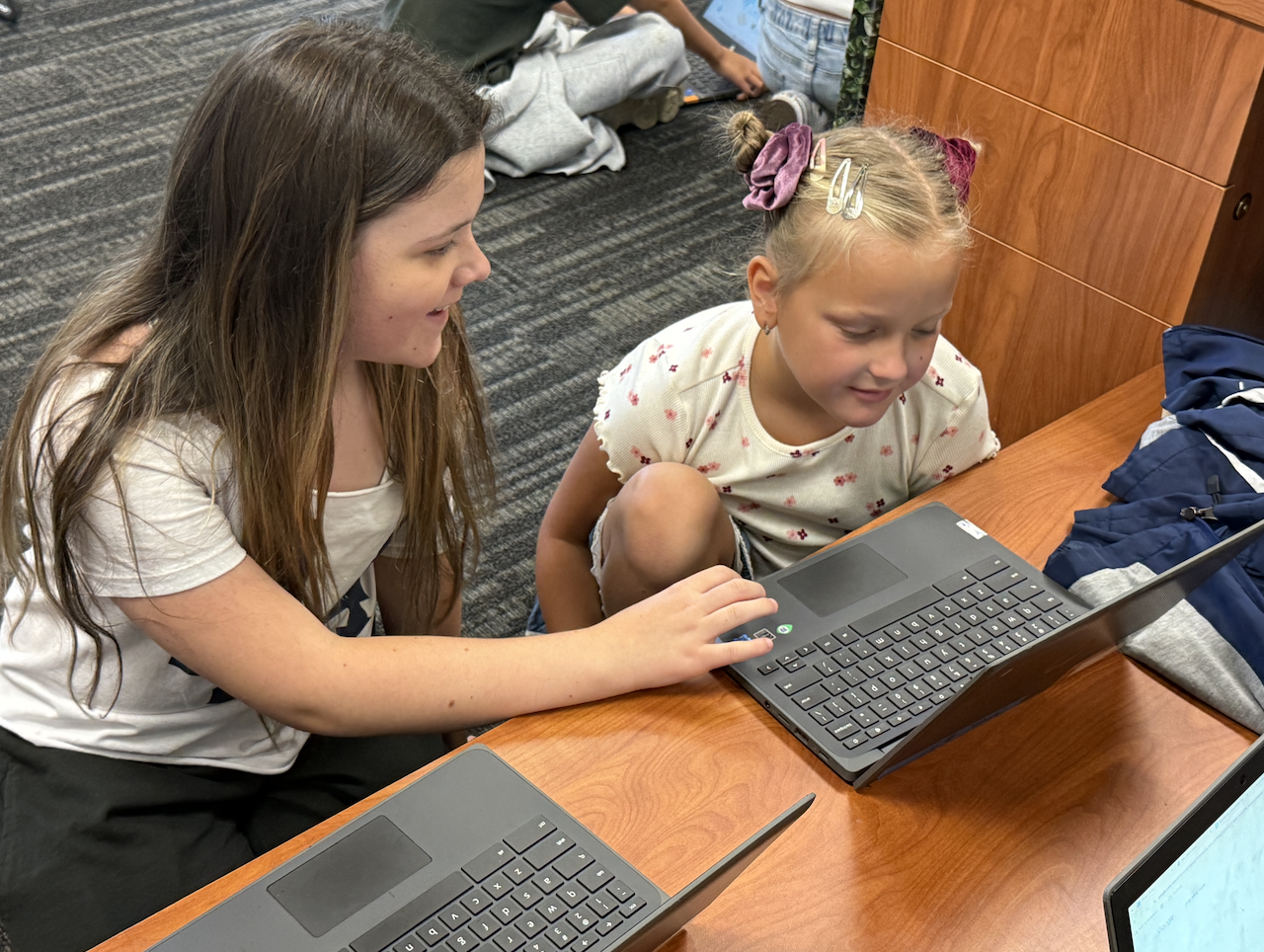
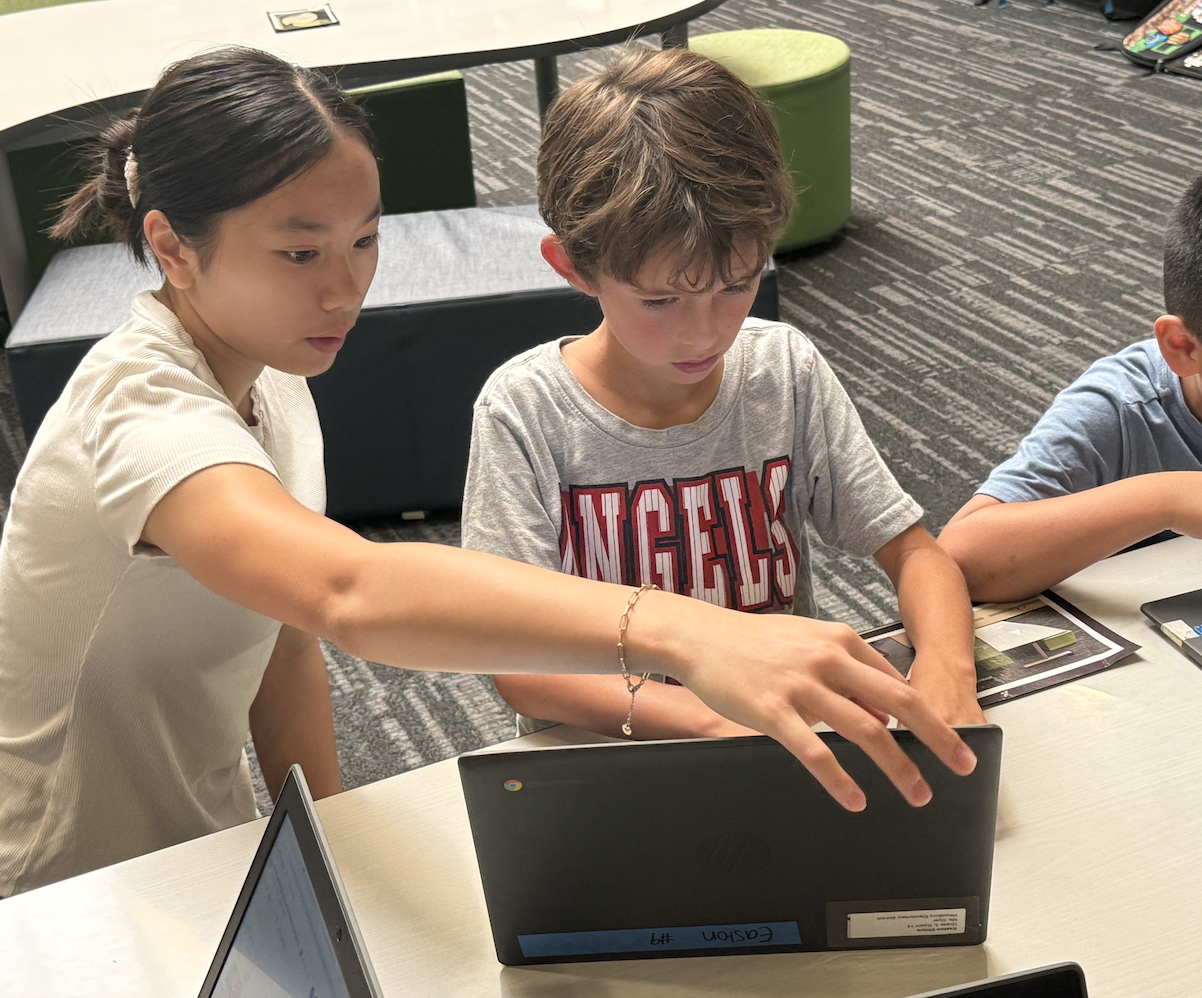
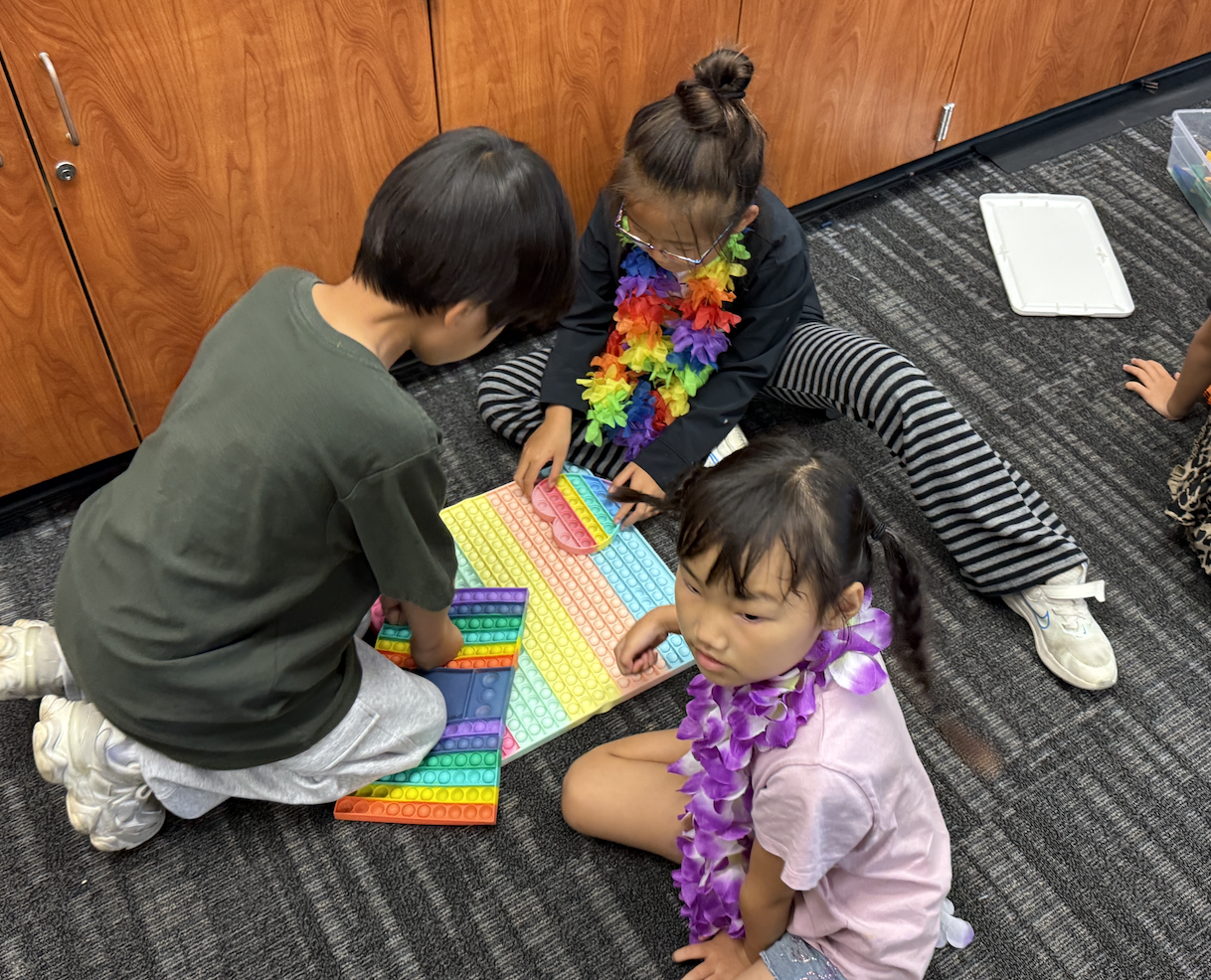
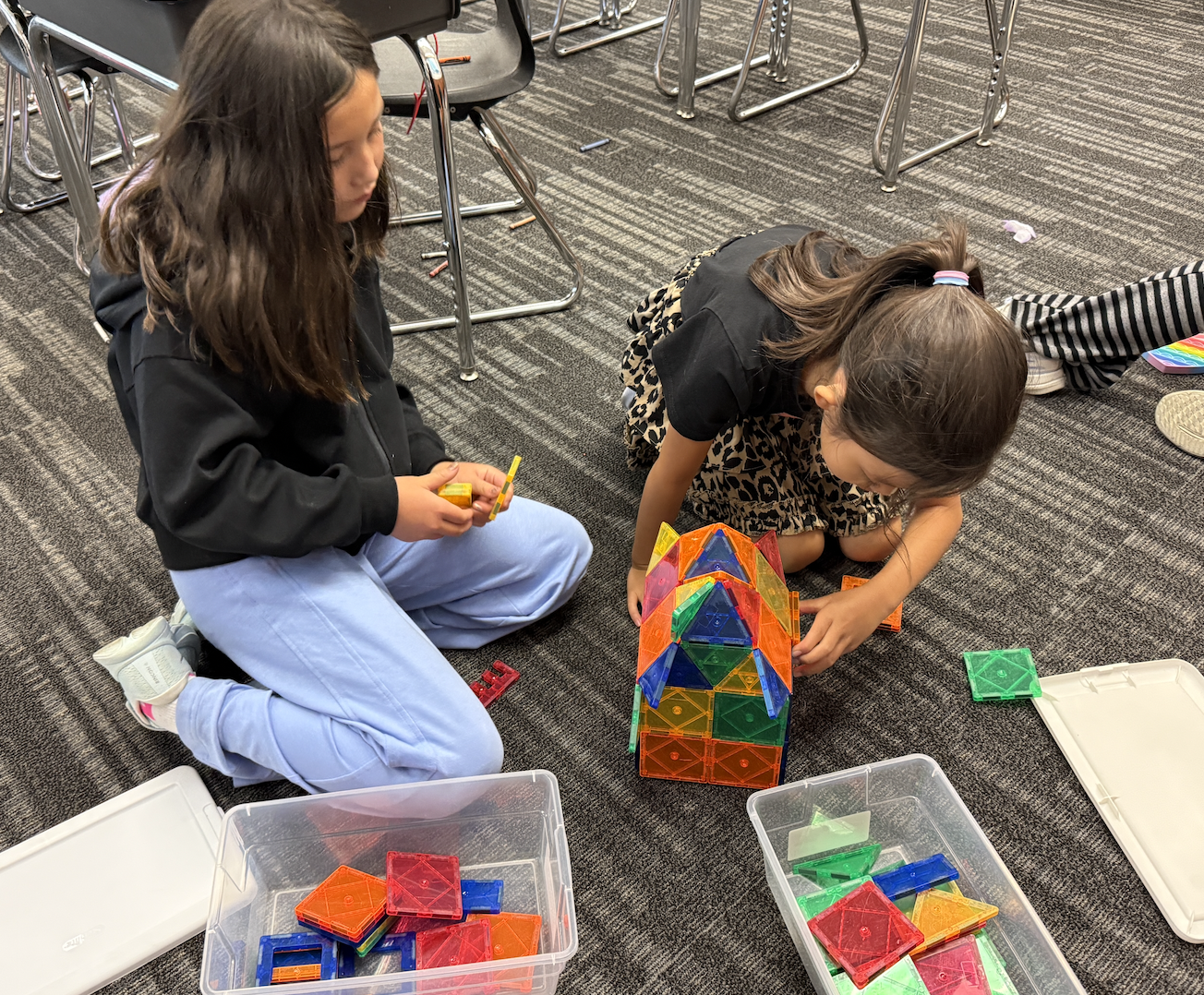
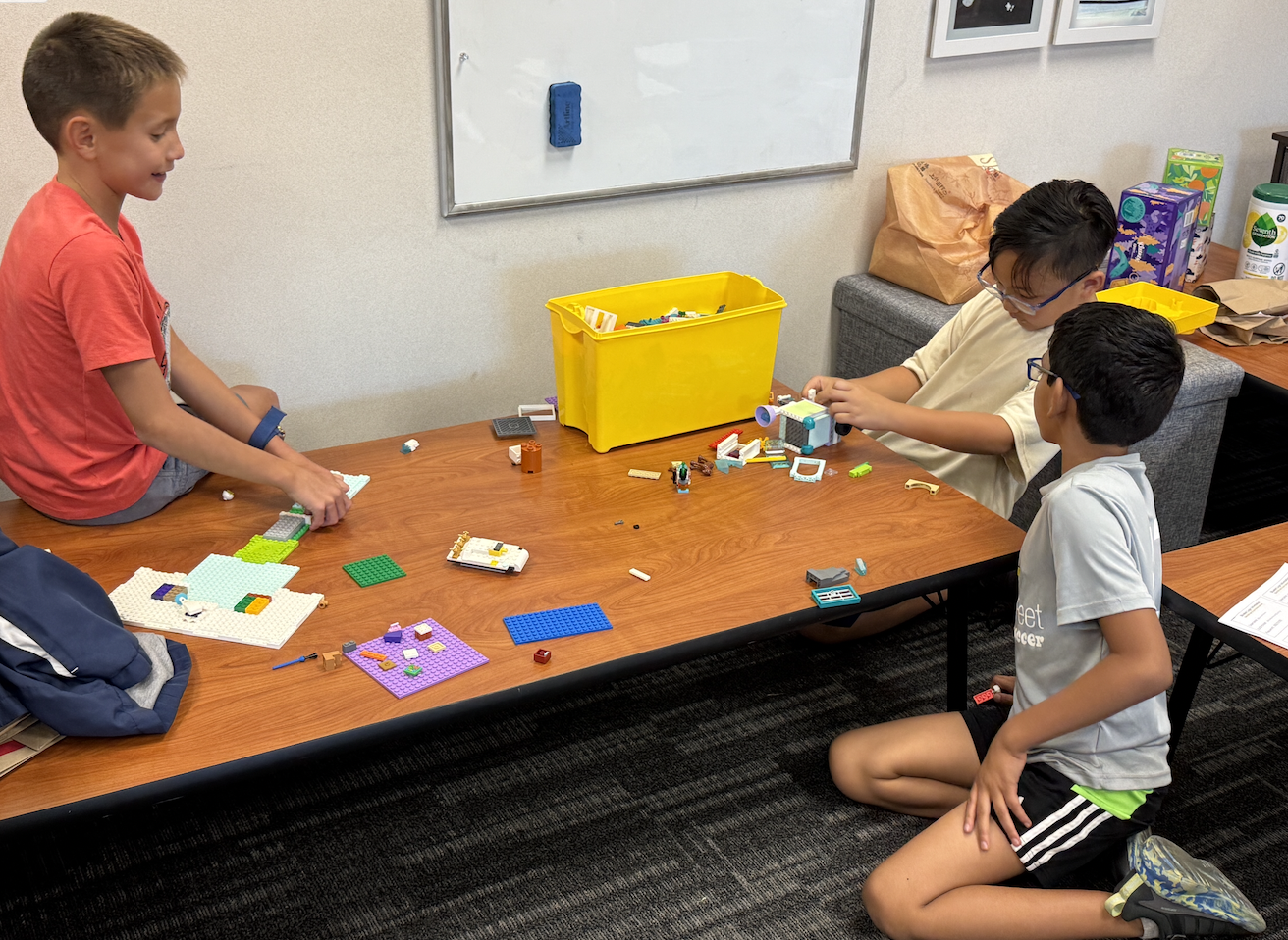
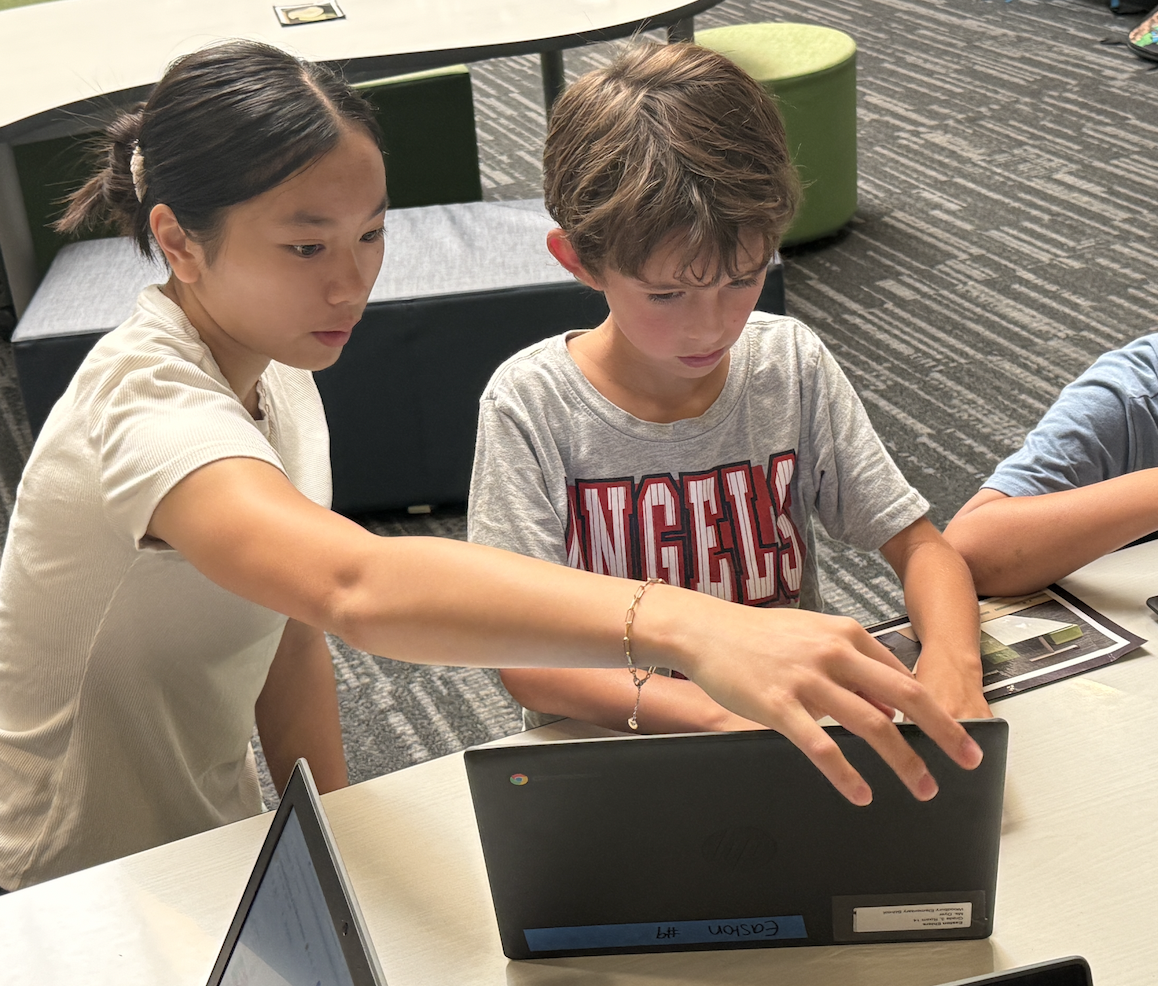
Here are a few snapshots of what has occurred at school so far.

Grade Level PE

Every year, Woodbury students love Grade Level PE! This is a program that is led by our PE Paraprofessional staff. They teach our children important gross motor skills by leading various stretches, games, relays, obstacle courses, and exercises. The kids always love playing the games, and the staff is great at keeping the kids engaged while exercising to stay healthy. 

Please be sure your child wears comfortable closed-toe shoes everyday for their safety, and especially on PE days. We will have PE every Mondays, Tuesdays, and Thursdays. Your child will especially need good sneakers to run in, a water bottle (with their name on it), and sunscreen as necessary. If your child is ever injured or doesn't feel well enough for PE, please be sure to send a written note or email requesting an excusal. 

Typically, PE is done outside on the field. If the weather is too hot or rainy, then PE is done in the multi-purpose room or in the classroom. 

Parent Volunteers Sign-Up Form

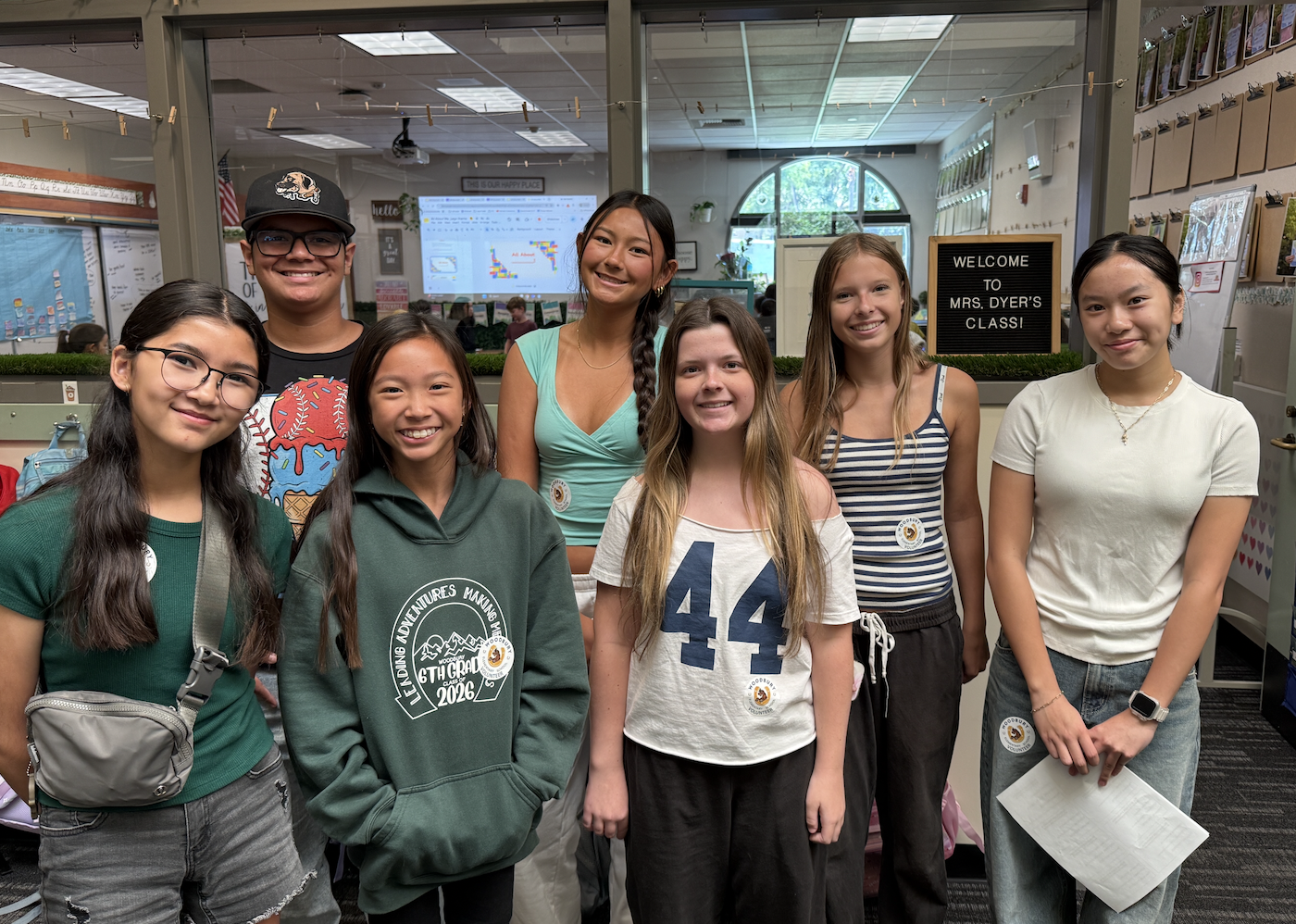
Truly, our Woodbury teachers greatly value our parent volunteers. We just simply couldn't do it all without your help. Volunteers save us hours of filing, copying, grading, laminating, cutting, gluing, folding, etcetera, so that we can focus our time and energy towards planning and teaching.

Additionally, our volunteers that work directly with the students during small group rotations make such a powerful impact on student learning. You may never realize how much of a difference you make, but your dedication certainly shows through the students' academic growth.

Please consider signing up to be a parent volunteer online by August 1st. The children love seeing their parents on campus. If there are multiple volunteers from one family (i.e. both mom and dad; dad and grandma, etc.), please fill out the form for each individual to account for each volunteer's availability.

With a grateful heart, Mrs. Dyer

Math Facts Practice and Testing

MAth_BannerDay.png

In third grade, your student is expected to master their multiplication and division facts 0-10. We will complete multiplication and division assessments in the following order: 10, 5, 2, 4, 8, 3, 6, 9, 7, (11, 12). *11s and 12s are not required for third grade, but are used as a challenge for students who are ready and have completed previous levels.
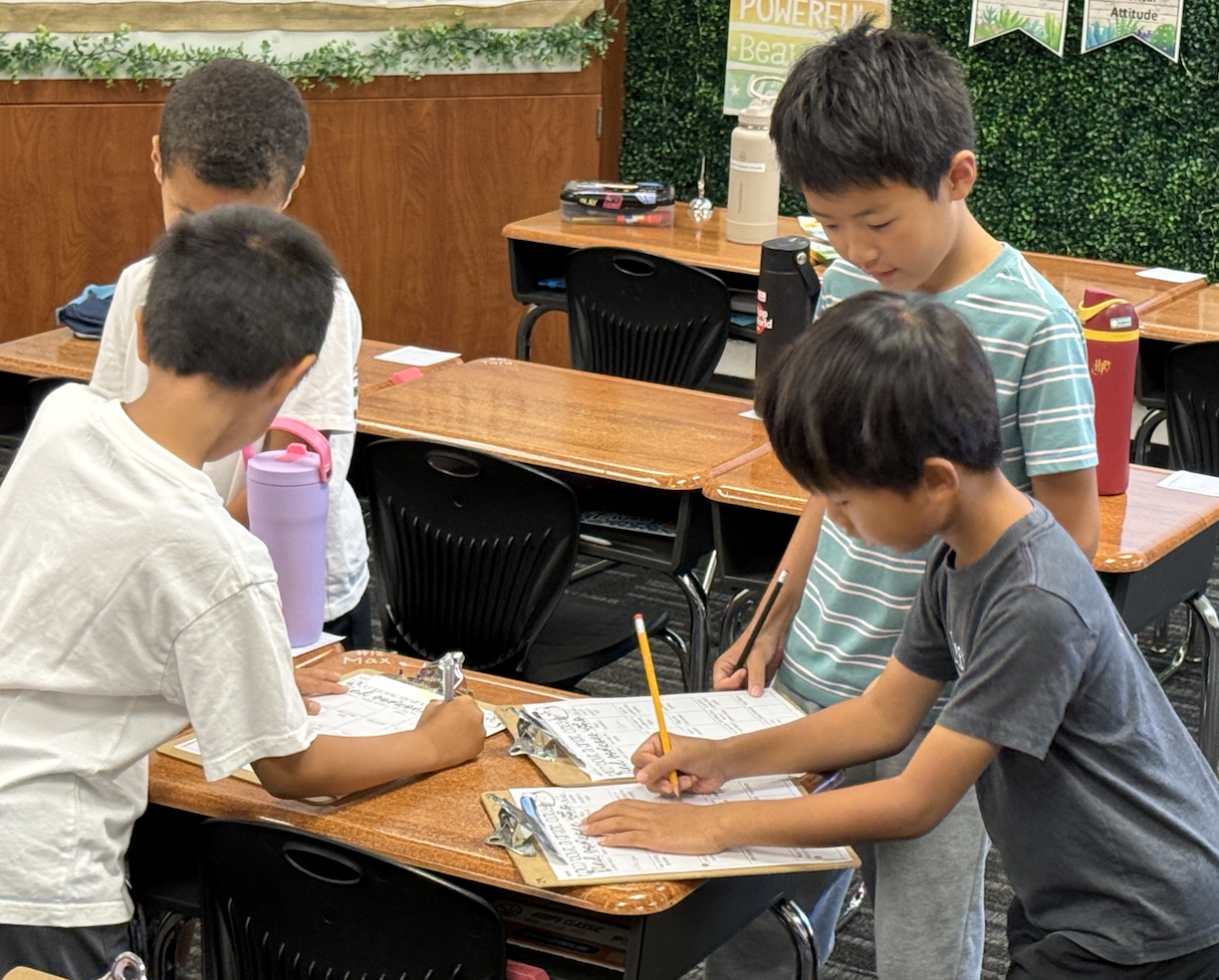
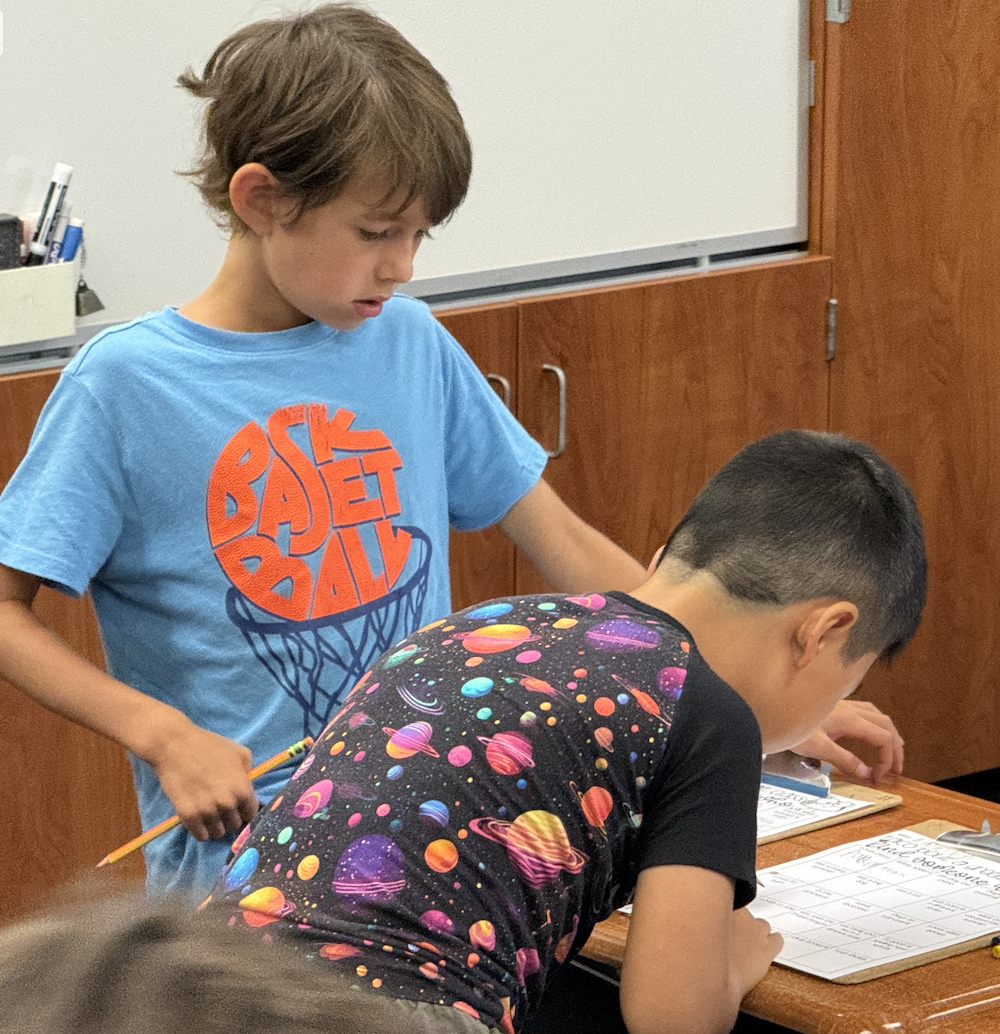
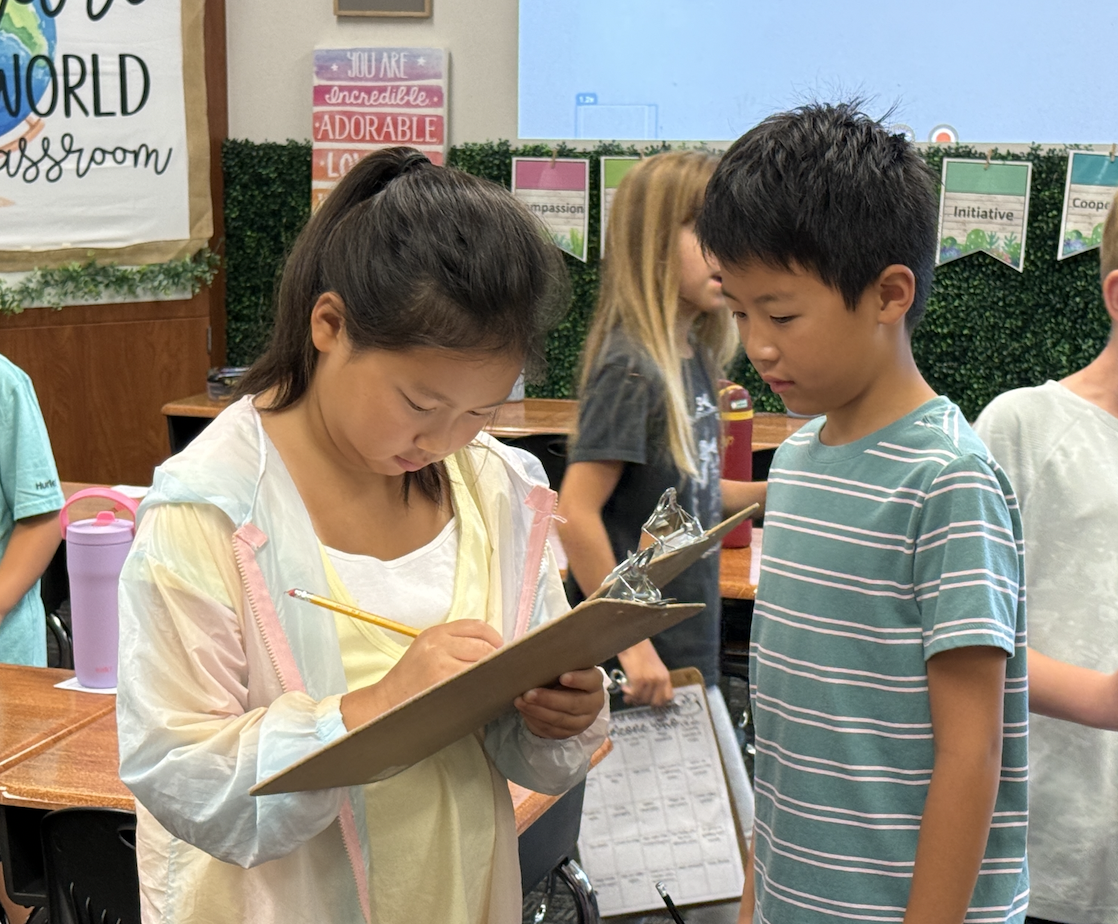
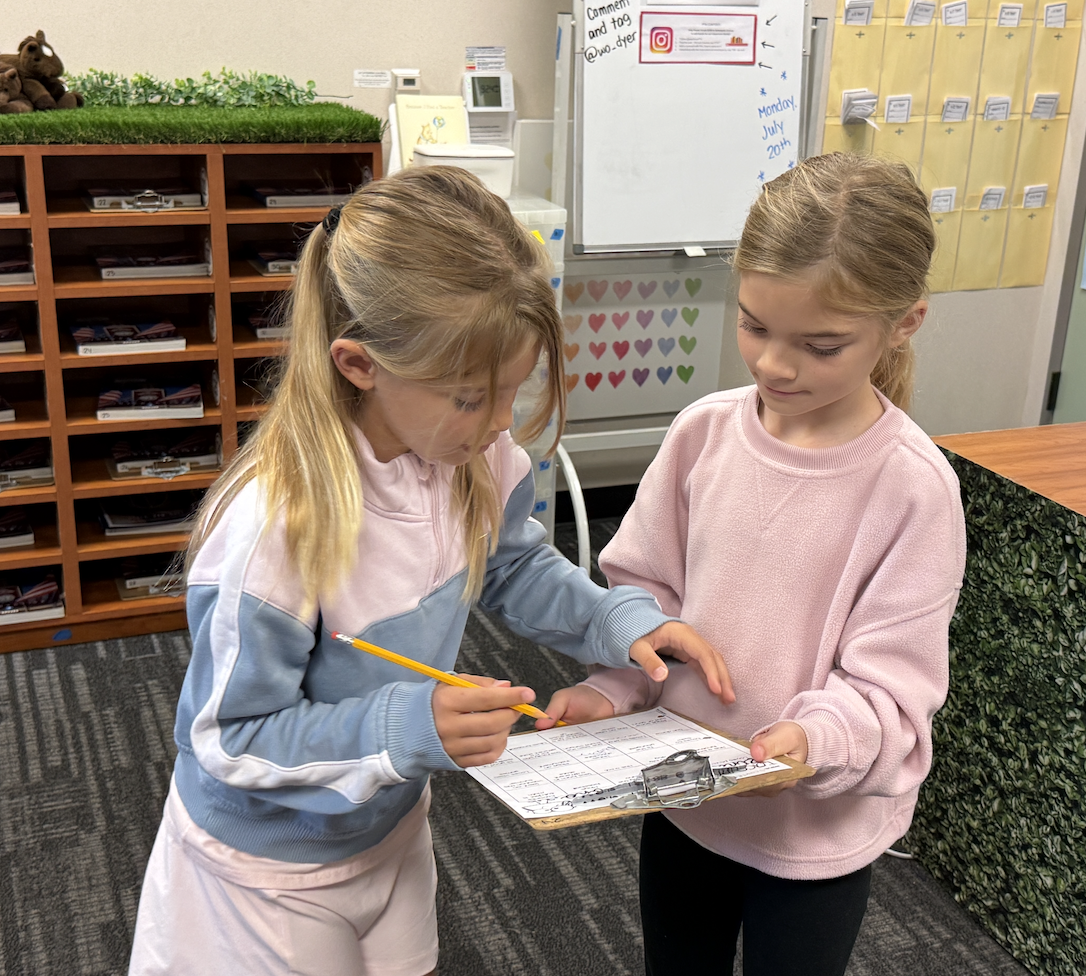
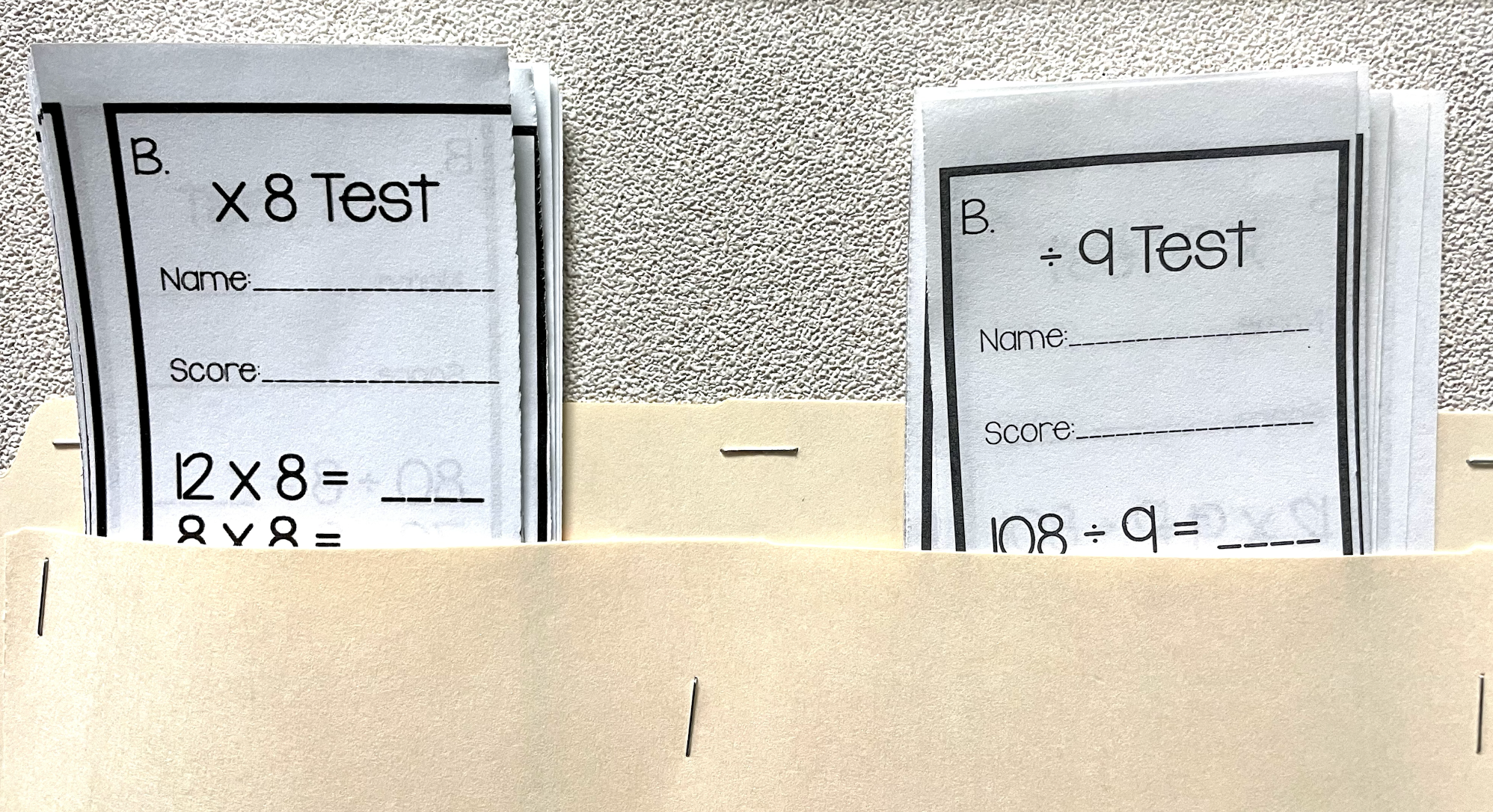
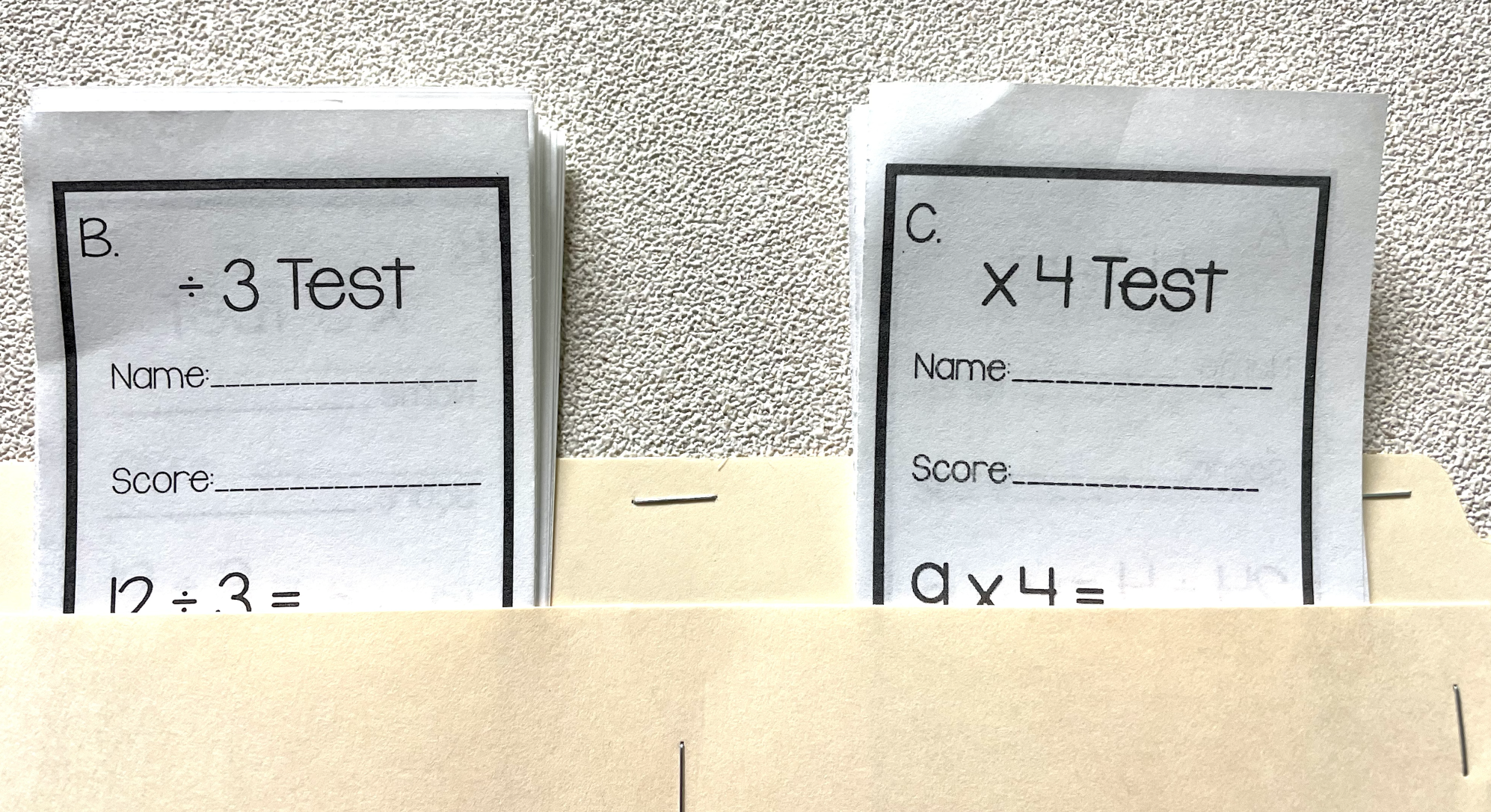
Students will take fluency assessments weekly (see picture below). Assessments have 20 multiplication equations on one side and 20 division equations on the other side. Students are given 3-minutes for each side to complete. When assessments are graded, they will be returned to the student with a sticker indicating if the child has passed the level, or if the student needs to keep practicing. Students will progress at their own pace. It is expected that students study their Math Facts regularly.

The flashcards can be downloaded and printed at home. You may want to use thicker paper to prevent seeing through the flash card. You may also choose to print them on a single side of the paper and then glue the printed flash cards onto index cards. It is up to you and your child.

Websites / Resources:

Apps: (some have a cost)

  • Big Math Flash Cards

  • Math Tango

  • Gogomath

  • SplashLearn

  • Monster Math

You can also use traditional flash cards purchased from Amazon, Costco, Target, Walmart, etc.

Duolingo Math

I highly recommend the Duolingo Math app, which can be used on an iPad or an iPhone device. It is fun, engaging, interactive, and tactile— focusing on the exact math standards that students will work on during their third grade school year. The app is FREE and easy to use. Students should aim to practice the multiplication and division programs first. Commit to completing at least one golden circle each day (which would equate to three rounds of brief practice). As our math curriculum moves into various topics, students can scroll to practice matching concepts such as fractions, telling time, quadrilaterals, etc.

Per the Duolingo Math app information:

Why Duolingo Math?

• Learn by doing, not viewing. Math is usually taught with textbooks, videos and lectures. But, math is a lot more fun when you can touch it, break it into pieces, and move it around. This is the new way to learn math.

• Enjoy all the best features of Duolingo, but for math. After a decade of developing the world's most popular language learning app, we know how to make learning fun. Start your 10-day streak learning math now, and you'll thank yourself later.

• Train your brain with something that's actually useful. Brain training apps and sudoku can be a good mental challenge, but they aren't helping you develop a valuable skill. Improving your mental math skills with Duolingo Math will come in handy all the time.

What does Duolingo Math teach?

• Elementary math, including topics like multiplication, addition, and fractions for students

• Everyday math skills for adults to exercise their brains

Khan Academy

Khan Academy has standards-aligned practice and lessons that covers math K-12. This wonderful resource has lessons, videos, quizzes, and practice that is free for all learners and teachers. We will use this resource in class during lessons and occasionally for homework. Every student has an account.

Login instructions:

  1. Go to:  www.khanacademy.org/join/E3QSZ57R

  2. Enter the class code: E3QSZ57R

Multiplication.com

Screen-Shot-2014-01-28-at-8.04.57-PM.png

If your child is having trouble with his/her multiplication facts, he/she may be interested in trying the math games on the Multiplication.com website. Many students who have tried it so far have loved playing, and it has boosted their skills and their confidence in math.

Readworks.org

ReadWorks is driven by cognitive science research and has free content, curriculum, and tools to power teaching and learning from Kindergarten to 12th Grade. Every student has an account, and we will utilize this resource in class and occasionally for homework assignments.

Login instructions:

  1. Go to: www.readworks.org/student

  2. Enter the class code: KM2V2C