History of Orange County

As part of our social studies unit, students are learning about the history of our local community area. We traveled back in time to learn about the original Native Americans, the explorers who traveled from Spain and England who mapped the California coastline, and how the land was later utilized as ranchos and farming. Later, towns were formed and the land that we now know as Irvine and Orange County was slowly formed.

Parents, you can help your child understand their local city as well as neighboring cities by taking your family out to explore. Point out to your child when you pass by different Orange County cities or when you travel down streets that are named for famous people or important landmarks.

In class, we have learned and discussed the following neat details:

  • Anaheim: the first city in Orange County; started by a German man named George Hansen

  • Tustin: named after Columbus Tustin; he named the streets numerically and alphabetically; you can see a statue bust of Columbus Tustin in Old Town Tustin.

  • Santa Ana: founded by William Spurgeon; he helped form railroads in the city to help with transportation

  • Orange: named by Andrew Glassel; he and Alfred Chapman played a game of poker to decide who got to name the town; other possible town names were Olive, Lemon, and Almond; if you travel to the city of Orange, you will see streets with the same names.

  • Newport: named by Captain Dunnells who sailed through the new port; the name was later changed the McFaddens Landing by the McFaddens brothers from Santa Ana; if you drive down the 55 freeway, you will also see an exit named McFadden!
  • El Toro: name means “the bull;” many bulls were raised in the area; the area also had a lot of sycamore trees; the Spanish word for sycamore is “aliso;” the city name was later changed to Lake Forest

  • Laguna Beach: the town was originally named Canyon de los Lagunas by the Spanish; many artists came to paint the beautiful seascapes. Laguna Beach became an art colony and there are still many art galleries there today!

  • Westminster: started by Reverend Webber; the town was mainly a farming community

  • Buena Park: the word “buena” means “good” in Spanish; Walter Knott started a berry farm in Buena Park, which later became the amusement park

  • Fullerton: started by George and Edward Amerige; the Atherton Ostrich Farm raised ostriches in the town

  • “Nellie Gail”: Lewis F. Moulton bought Rancho Niguel to raise sheep and cattle; the streets Moulton Parkway and Moulton Ranch were named after him. When he died, his wife took over the ranch. The community of Nellie Gail is named after her

  • “Modjeska”: Madame Helena Modjeska was a famous actress who lived in Orange County; she built a home in the canyons near Saddleback Mountain, and the area is now known as Modjeska Canyon

History of Orange County: Stage Placements

Parents: In an effort to help you get the best possible view of your child during the students' History of Orange County play, here is a picture of their stage placements. You may want to sit on the corresponding side of the audience seats so you can take the best pictures and videos.

*Note: Some placements might still be slightly adjusted.

*Classmate #26 will be in row two, towards the right side of this photo.

Thanksgiving Holiday

Screen-Shot-2011-11-23-at-11.30.44-PM.png

Monday, November 24th through Friday, November 28th is Thanksgiving Break. The school will be closed. Please enjoy this time with your family and be reminded of all that we have to be thankful for. Be sure to stay safe and practice proper health precautions as we are still battling the pandemic. We want all of our Woodbury families, students, teachers, and staff to return to school healthy and ready to learn!

Thanksgiving is my favorite holiday of the year. I am personally thankful for my amazing family, friends, and coworkers. I am also thankful to have the opportunity to teach such a wonderful group of students. I feel so blessed.

Happy Thanksgiving everyone!

Thanksgiving Turkey Bags

Our class made Thanksgiving turkey bags. Each turkey is stuffed with notes about what each child is thankful for this year. The kids loved making them , and they are excited to be able to take them home to surprise their families during Thanksgiving.

Gobble! Gobble!

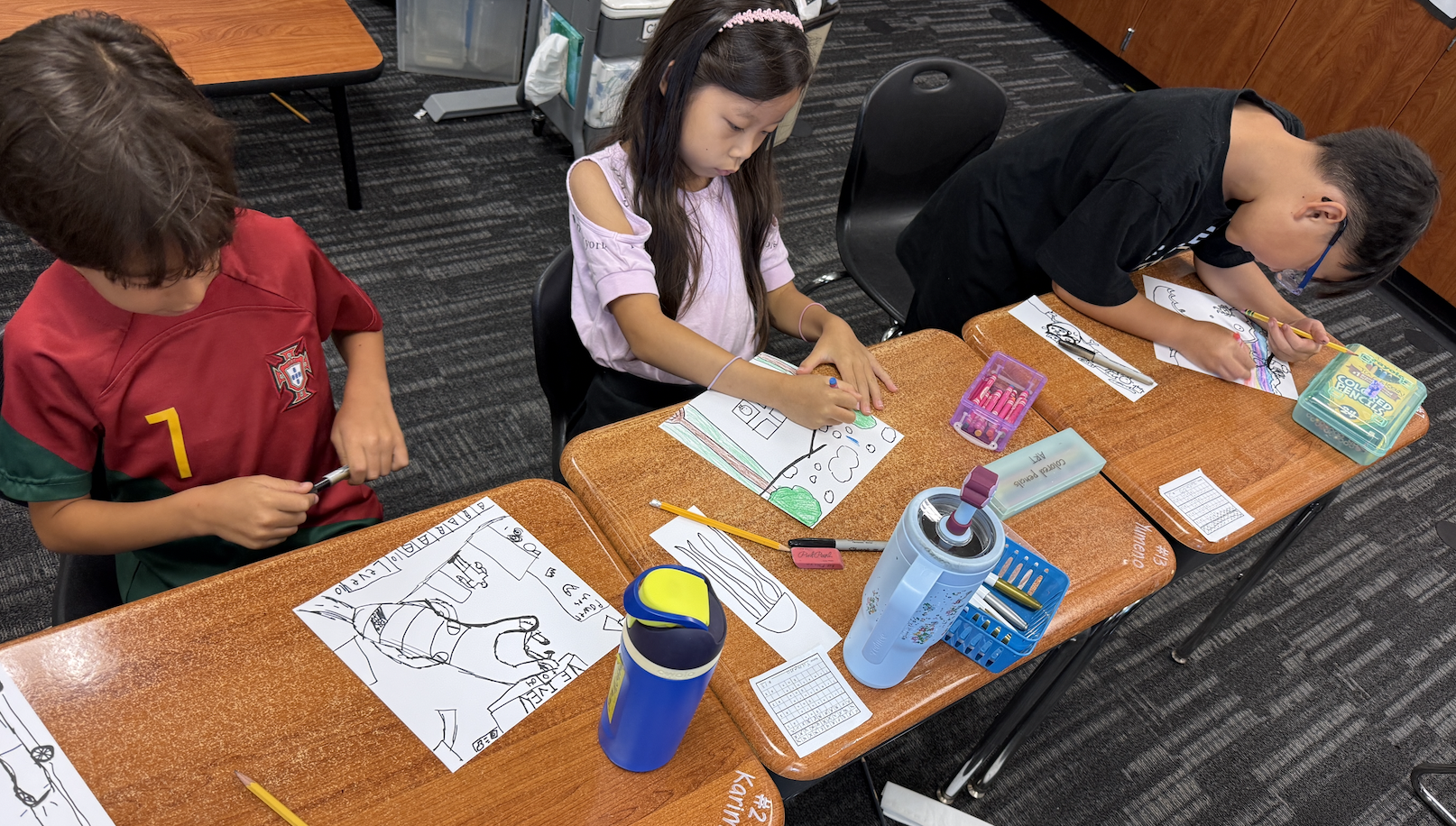
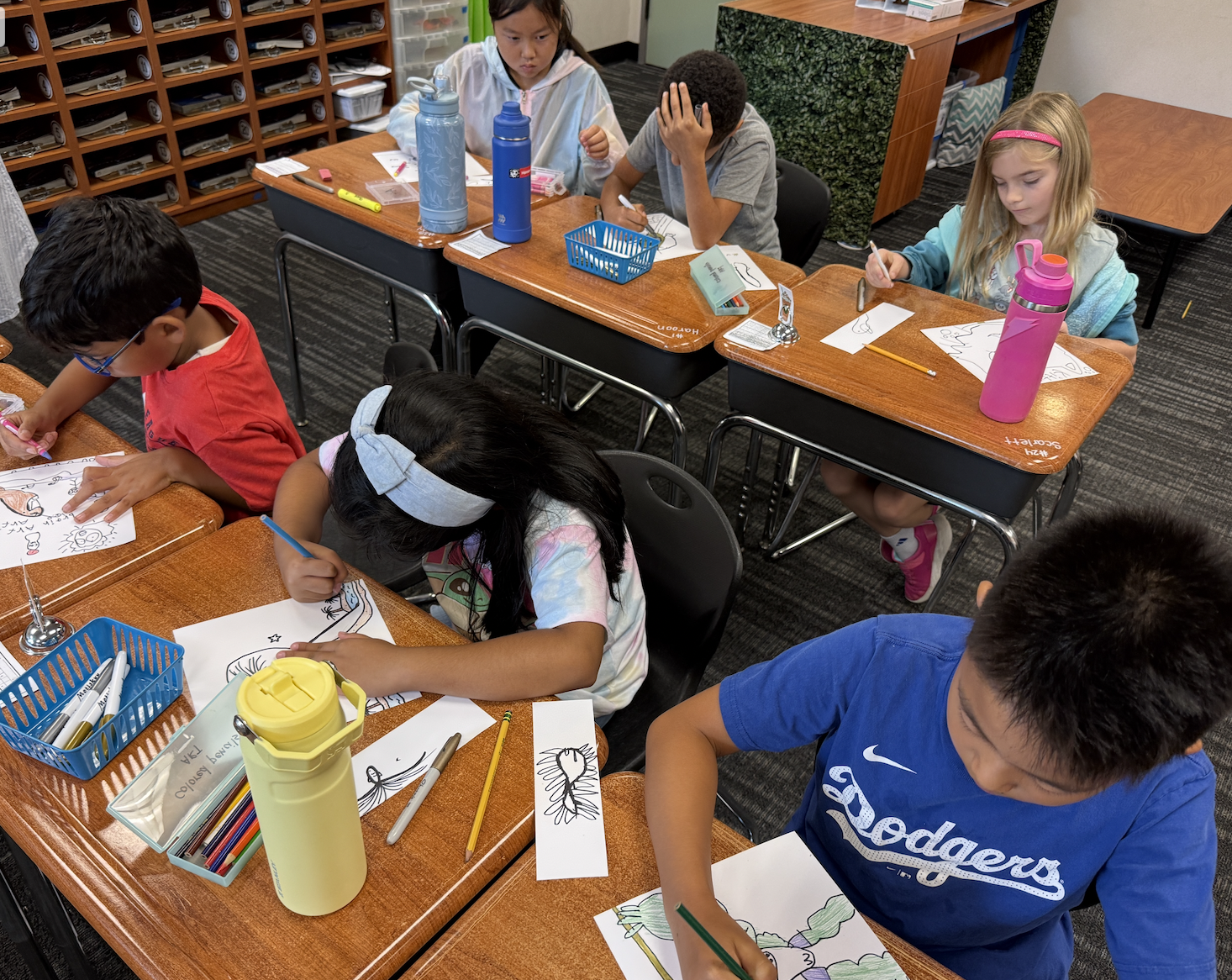
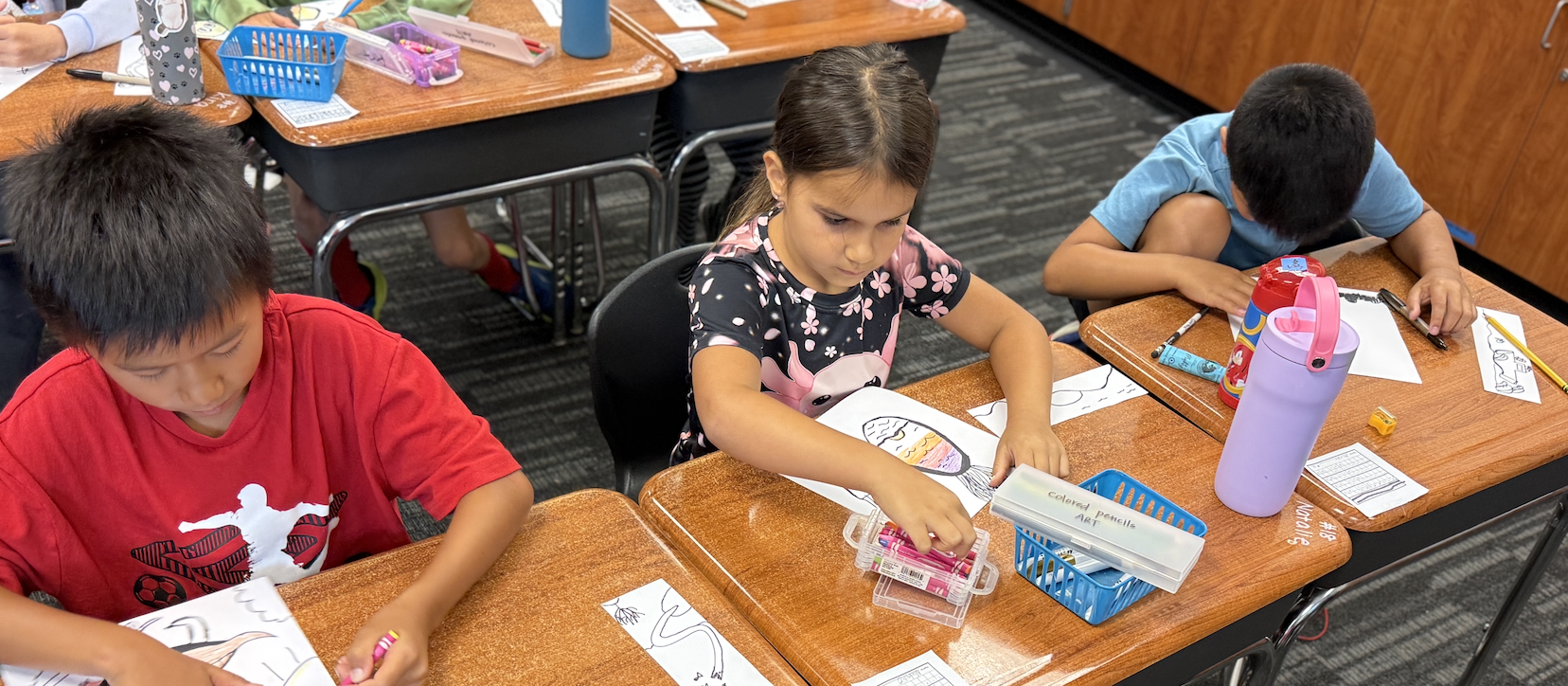
Tongva Journal Notes

Tongva Journals are due Friday, November 21, 2025.

  • The cover should be fully outlined and have petroglyph symbols added.

  • All areas are completed (see pictures below if notes or pages are missing or unfinished
    *Note: Photos may have variations of notes depending on small group rotations.

  • All illustrations should be fully colored and outlined
    *Note: Handwritten penciled notes do not need to be outlined.

Veterans Day

VeteransDay-American-Flags.jpg

Veterans Day is a day to honor people who have bravely served in our United States armed services. Be sure to give thanks for all the men and women who have fought to protect each of us in our homeland.

Check out this really neat and extremely special Veterans Memorial in Anthem, Arizona. The five pillars, which represent the five branches of the military, are strategically designed and constructed to allow the sunlight to pass through at precisely 11:11 am on November 11th every year to shine a spotlight over a mosaic of the Great Seal of the United States. How incredible is that!


Our Gabrielino Field Trip

Our third graders had so much fun at our field trip! Our class was divided into two groups, Coyotes and Bobcats. Each group was led by a Naturalist from the ENC. The Naturalists taught the students many interesting facts about the Gabrielino Indians. Students learned that string was the most important tool the Gabrielino Indians used. Each child had an opportunity to twist their own piece of string just as how the Gabrielino Indians did.

The students also learned that these Native Americans used sea shells to make their own form of currency. Using a tool called a pump drill, the Gabrielino Indians bore holes into the shells to make small bead like pieces. They would also trade needed resources with other tribes, or even engage in a gambling game using acorns, walnuts, or sticks to try and quickly win more supplies for their own tribe. At the music station, the groups learned about the significance of music during Native American ceremonies. The instruments were made out of various plants and even animals. One instrument used a turtle shell. It was shaken like a rattle.

Another instrument was made with the hooves of a deer! We even went on "hunting" trips! The students learned to quietly sneak up to ducks in a lake to try to catch them using a net. The Gabrielino Indians, who actually call themselves, Tongva, also used rabbit sticks to hunt for small animals.

The children had such wonderfully positive things to say about their field trip. A few students chose the hunting as their favorite part of the field trip. Others voted that the string making was the best part. It was definitely great to see the kids fully engaged, learning, and having fun all at the same time.

Thank you Mrs. Samson and Mrs. Wang, for being our chaperones. I hope you were able to enjoy the day with your children!

Parents, if your child is interested, the Environmental Nature Center has nature camps available! Take a look at their website for more details.

Disguise a Turkey Narratives and Crafts

The students are starting a new narrative writing assignment called Disguise a Turkey. We read the story, “‘Twas the Night Before Thanksgiving” and "Turkey Trouble." Turkey Trouble is about a turkey who is trying to avoid getting cooked for Thanksgiving dinner. He disguises himself as a cow, a rooster, a horse, a pig, and other animals. But unfortunately, the other farm animals are still able to identify who he is. 

For our narratives, we will be pretending to have a pet turkey that we have to help disguise and hide so that it doesn't get cooked for Thanksgiving. The students can use their imagination and "dress" their turkey as anything or anyone.

There is also a paper craft to complete with the narrative (templates will be sent home Monday, November 3rd). Students can use any materials to color and decorate their paper turkey (please keep any decorations about the same size as the paper turkey and to not extend it past 8.5"x11"). 

The writing and paper craft project is due Monday, November 17th.

Save the Date: History of Orange County Play

Screen-Shot-2011-12-02-at-9.13.31-PM1.png

Please mark your calendars for Tuesday, December 16th, from about 1:15 - 1:45 PM We will be having our third grade play about the History of Orange County that day, and you are invited! Each third grade class performs their own show, and so the more parents in the audience to support the children, the better! Grandparents, aunties, and uncles are welcomed to attend as well.

More information will be provided when all the details are ironed out, but please plan on attending the play to watch your child perform! It is sure to be one of the most memorable events of third grade!

Creature Cafe

Screen Shot 2020-10-22 at 8.35.37 PM.png

With Halloween around the corner, our class practiced math skills in our Creature Cafe. Students collaborated to make a slideshow filled with spooky Halloween themed food. They searched for images, made creative meal titles, and decided the cost. Then in class, students pretended to order food and practiced adding and subtracting the cost of their meals in our Creature Cafe math booklet.